

What Happens During Collagen Remodelling?
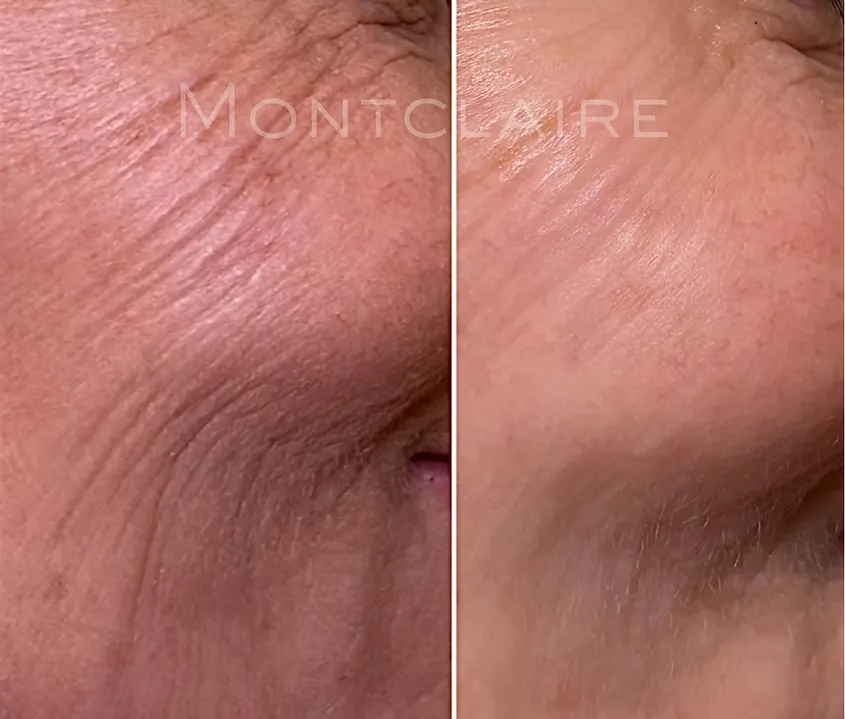
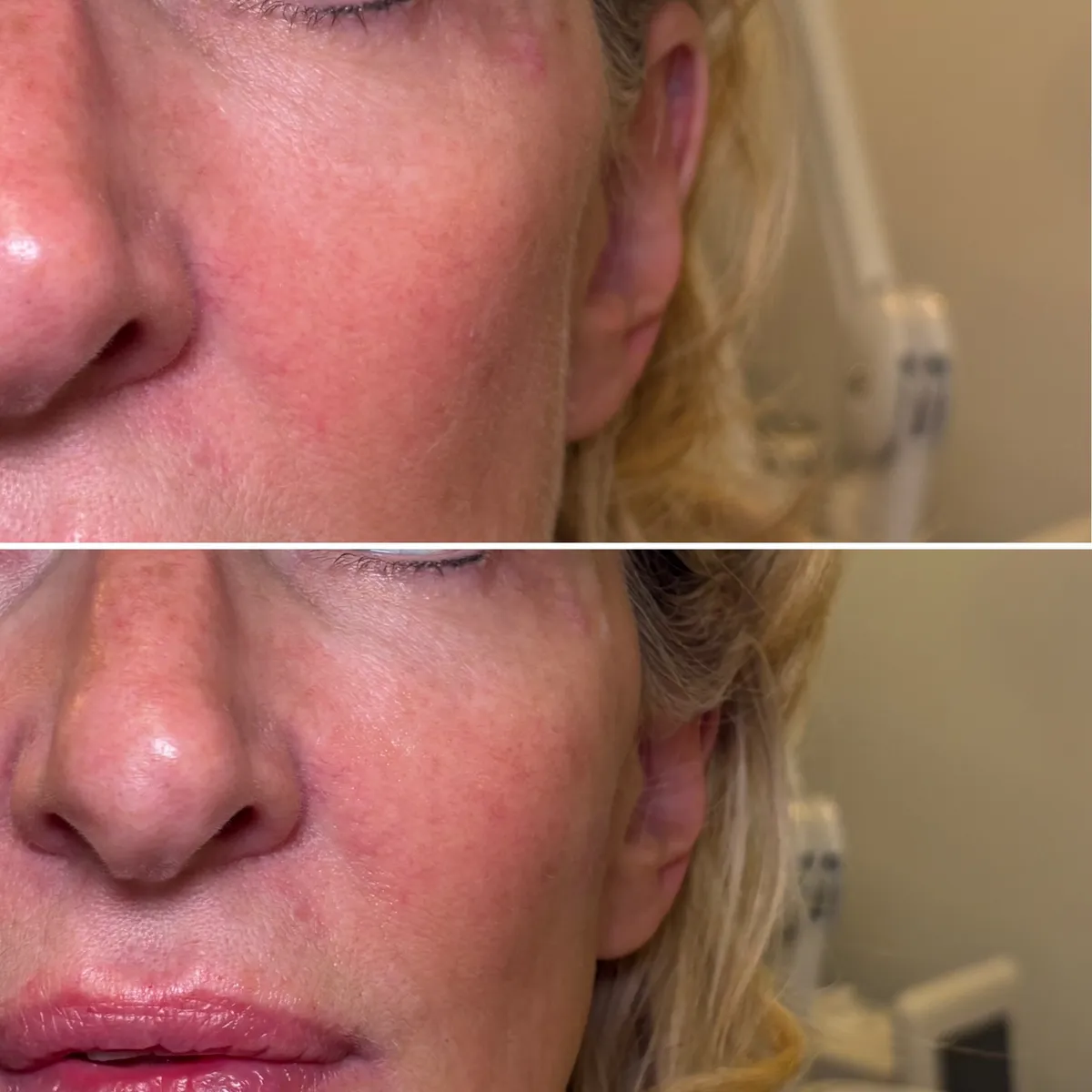
Collagen remodelling is your skin's natural process of repair and renewal, crucial to maintaining a fresh, youthful appearance. When advanced treatments like biostimulator injectables or controlled micro-injury techniques are applied, they activate this process, essentially prompting your skin's fibroblasts to produce new collagen over several months. This steady regeneration is why visible improvements unfold gradually and why ongoing maintenance is important to preserve results.
The Biology of Collagen Remodelling: A Fibroblast-Led Regenerative Cascade
At the core of collagen remodelling lies a sophisticated wound-healing cascade. Fibroblasts, specialised cells in the dermis, orchestrate this repair. They produce collagen, a structural protein that forms the skin's scaffolding. Two main types of collagen are involved: Type III, which predominates during early repair stages, and Type I, which provides long-term strength and resilience.
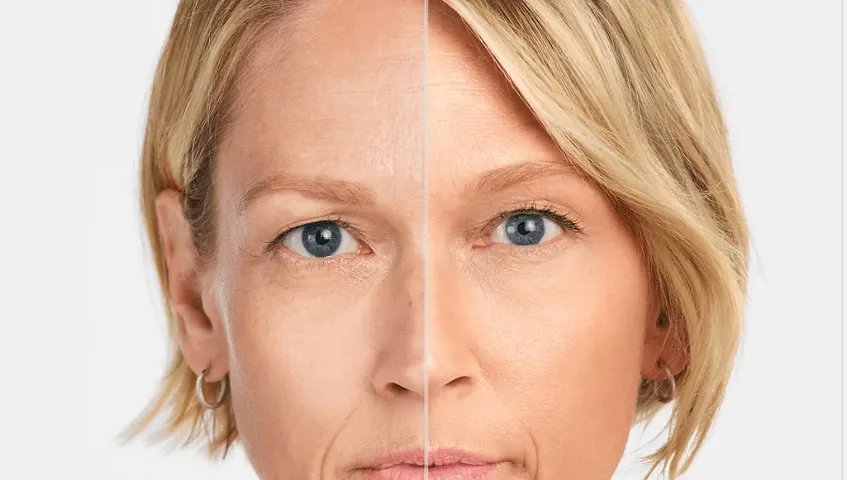
As we age, the balance shifts unfavourably: Type III collagen decreases, Type I becomes fragmented, and overall collagen production declines. This contributes to wrinkles, laxity, and loss of volume. Advanced treatments seek to mimic a controlled injury or stimulate fibroblasts, restoring this balance by encouraging new collagen synthesis that gradually replaces older, damaged fibres.
Why Does New Collagen Take Months to Mature?
Following treatment, fibroblasts first produce immature collagen (mostly Type III) during the initial weeks. Over 3–6 months, this collagen matures into sturdier Type I collagen, integrating fully into the skin matrix. This slow development explains why results develop subtly and continue to improve over time. Eventually, collagen fibres also turn over; they metabolise naturally, breaking down gradually. This continuous renewal underscores the importance of 'collagen banking': maintaining skin health through regular treatments to sustain and build upon previous collagen gains.
Multiple Treatments, One Common Pathway: Fibroblast Activation
Diverse regenerative techniques all converge on activating fibroblasts, albeit through different stimuli:
- Biostimulator Injectables: Products like Juläine (a safe PDLLA-based treatment) and Lenisna stimulate natural collagen by delivering molecules beneath the skin, gently prompting fibroblast collagen production without direct filling.
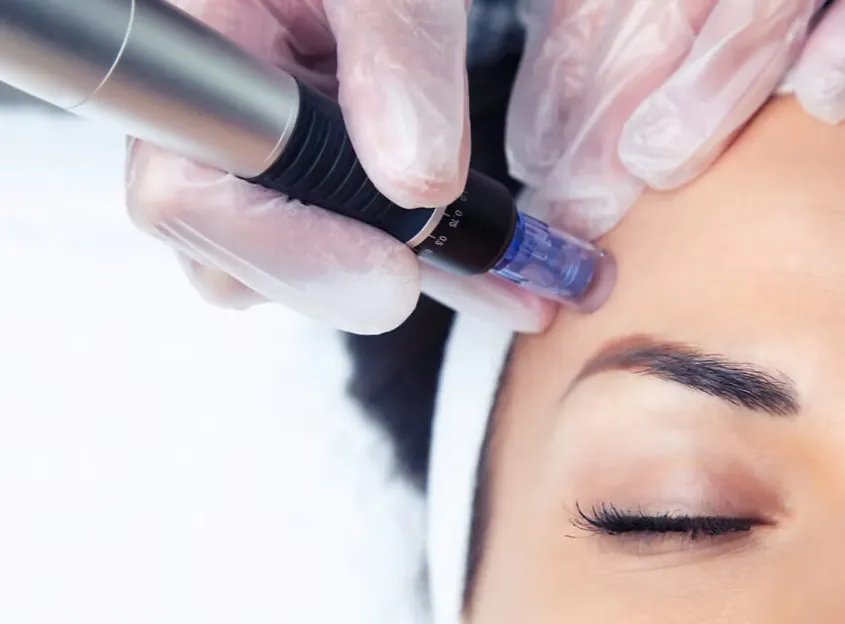
- Controlled Micro-Injury: Procedures such as microneedling create tiny, targeted wounds that kickstart the skin's repair cascade.
- Controlled Heat: Technologies like RF (Radiofrequency), HIFU (High-Intensity Focused Ultrasound), and lasers raise dermal temperature precisely, triggering fibroblast activity and collagen synthesis.
- Skin-Booster Injection Techniques: These hydrating treatments improve skin quality and support fibroblast function via enhanced hydration and microenvironment optimisation.
Each method uses your skin's own biology rather than relying solely on external fillers, producing natural, long-lasting improvements that align with Montclaire Aesthetics' philosophy of making you look fresh, not done.
Frequently Asked Questions (FAQ)
Q1: How soon after treatment can I expect to see results?
Results generally emerge gradually over 3 to 6 months as new collagen matures; initial improvements may be subtle.
Q2: Will collagen treatments work for all skin types and ages?
Most skin types can benefit; treatments are customised based on medical assessment and individual skin condition to ensure safety and effectiveness.
Q3: How often should maintenance sessions be scheduled?
Maintenance depends on treatment type and skin goals, typically ranging from every 6 to 12 months, to support ongoing collagen production.
Q4: Are collagen biostimulators safe?
When delivered by accredited practitioners, products like Juläine and Lenisna are considered safe with a strong safety profile over years of clinical use.
Q5: Can collagen remodelling treatments replace fillers?
They complement fillers by improving skin quality and firmness, but do not directly add volume; combining approaches is sometimes recommended.