

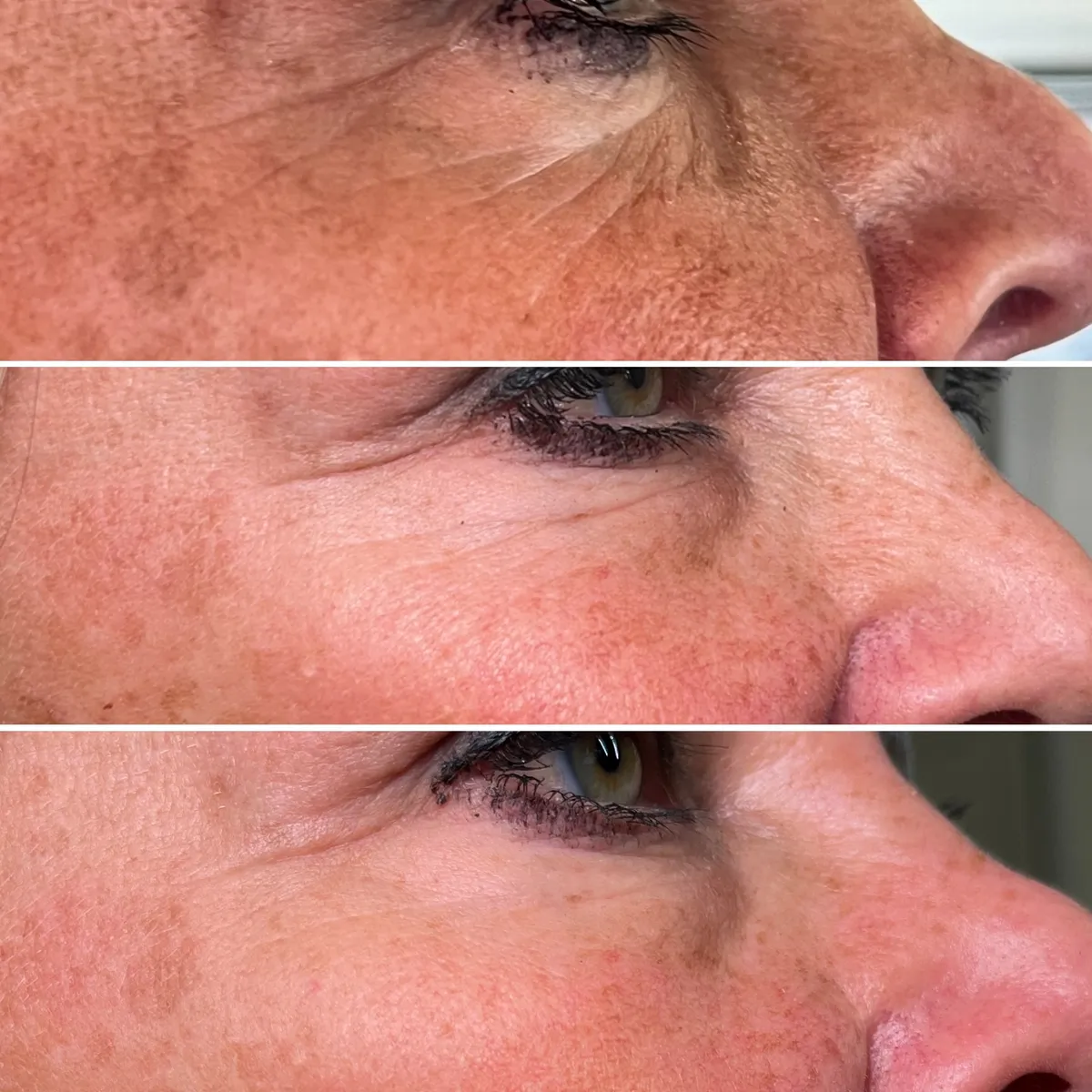
What Are Polynucleotides and How Do They Work?
Polynucleotides, purified fragments of DNA, represent a refined approach to skin regeneration that has its roots in Korean aesthetic medicine. These unique molecules do not act like traditional fillers, which add volume, nor do they function like exosomes. Instead, polynucleotides gently encourage your skin's natural repair and hydration mechanisms. This means they work by supporting tissue renewal and enhancing cellular vitality, promoting a smoother and more resilient skin texture over time.
Common Applications: Targeting Under-Eye Concerns and Crepey Skin
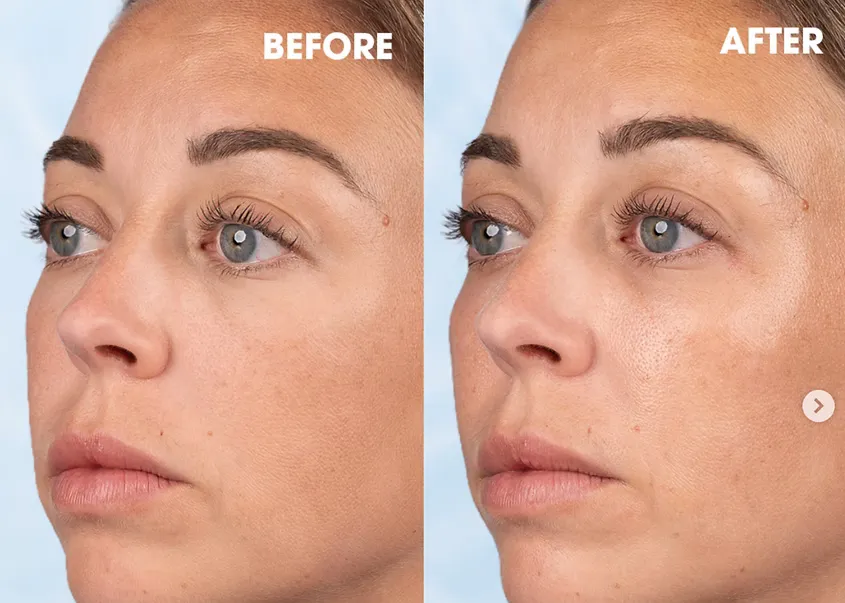
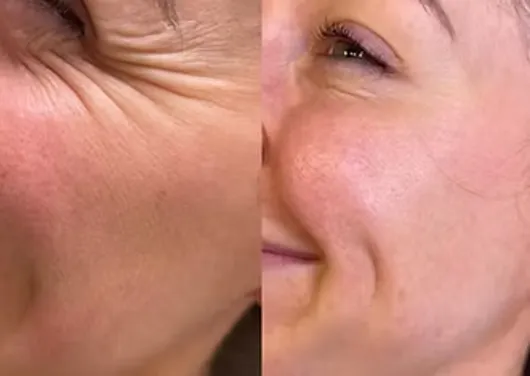
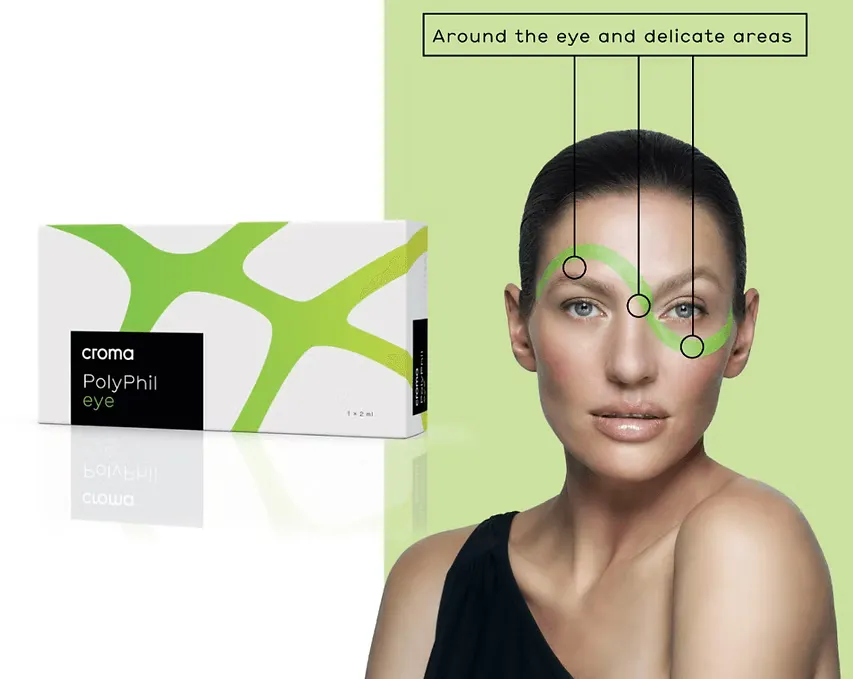
Among the many ways polynucleotides find their place in aesthetic treatments, they are especially popular for rejuvenating the delicate under-eye area. This region often shows early signs of ageing, such as crepiness and hollowness, which these treatments aim to improve by revitalising skin quality rather than simply masking imperfections. Beyond the eyes, polynucleotides are valued for enhancing crepey skin on the face and body, restoring bounce and hydration. Additionally, their role in supporting hair health is an emerging area of interest, complementing skin enhancement protocols.
Treatment Protocol: A Gentle Course with Gradual, Natural Results
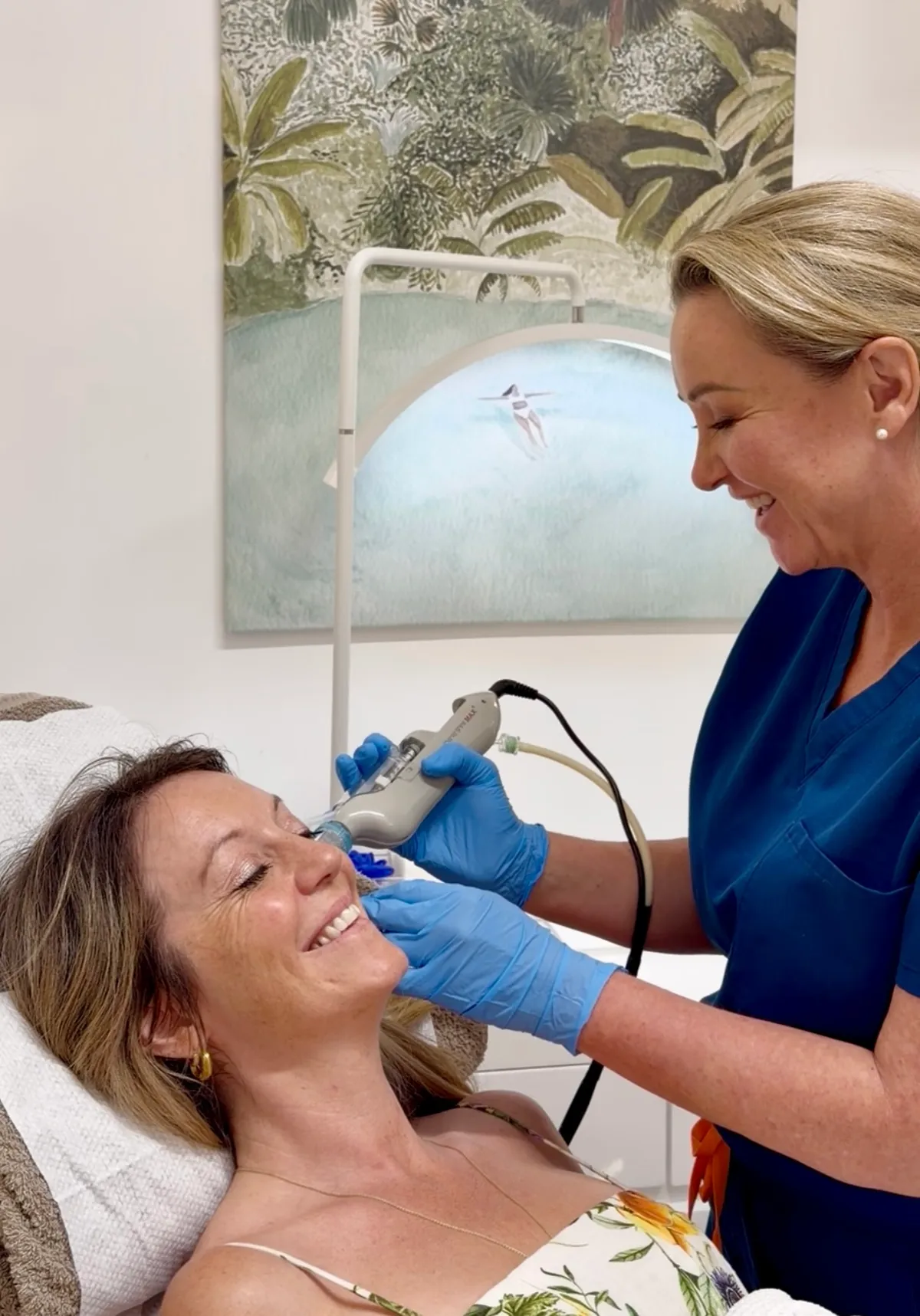
Typically, a treatment plan involves a series of sessions spaced a few weeks apart. Results tend to appear gradually as your skin responds to these regenerative cues, requiring patience and commitment for optimal effect. The safety profile is reassuringly strong; downtime is minimal, making polynucleotides suitable for those balancing demanding lifestyles. It's important to note that individual outcomes will vary and that treatments are customised following a thorough consultation and medical assessment.
Integrating Polynucleotides with Collagen Stimulators and Skin Boosters
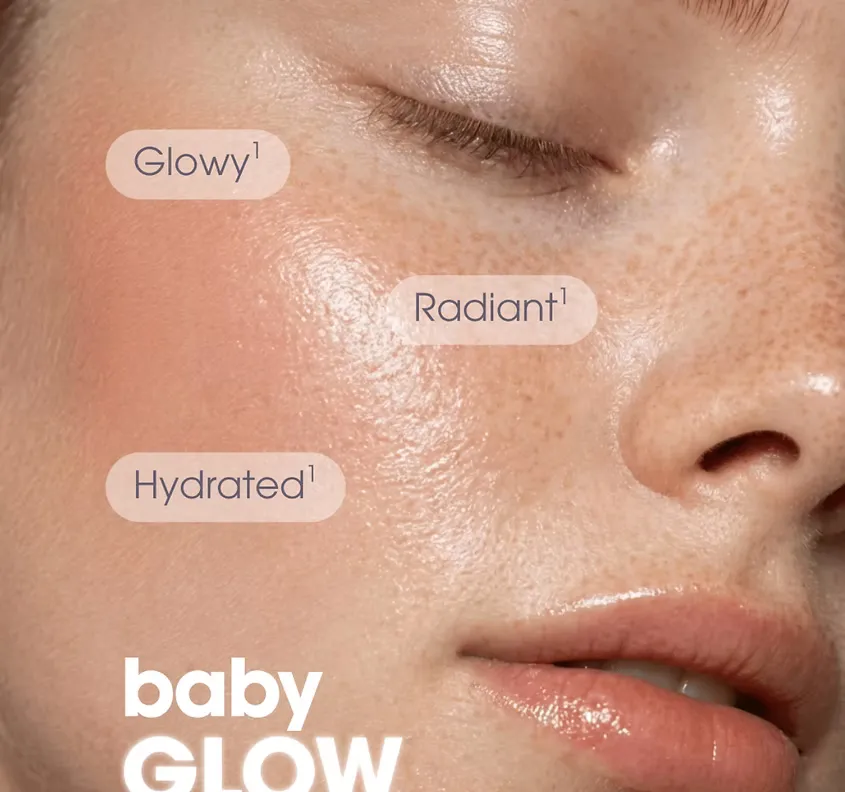
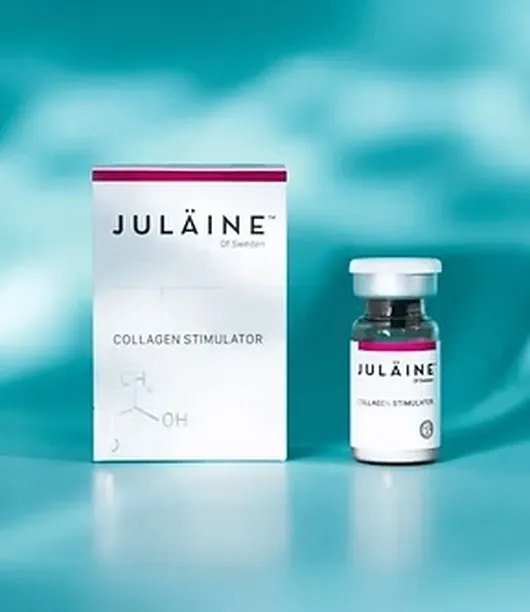
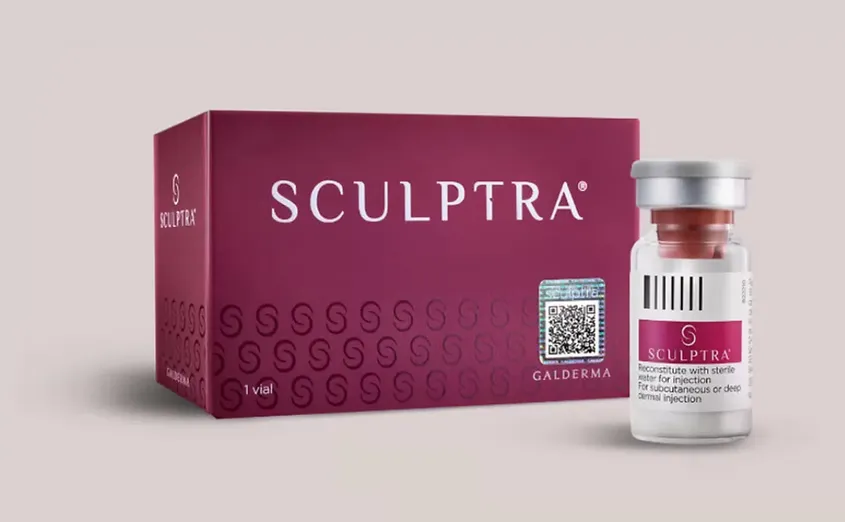
Polynucleotides shine as part of a holistic skin health strategy. They can complement treatments like Juläine, an advanced PDLLA product that stimulates deep collagen type one production to tighten and lift skin naturally over a series of sessions. Likewise, co-using hydrating boosters such as Babyglow by Teoxane helps maximise luminosity with strategically placed hyaluronic acid. Together, these treatments create a synergistic effect that honours the skin's intrinsic biology while addressing ageing concerns sympathetically.
Distinguishing Polynucleotides from Exosomes and Fillers
While exosomes are cell-derived vesicles involved in intercellular communication, polynucleotides focus specifically on providing nucleotide material to energise skin cells' own regenerative pathways. Fillers, conversely, primarily provide immediate volume and contour correction. Polynucleotides do not add volume but support skin quality and resilience for a subtle, fresh appearance, truly emblematic of our philosophy: treatments that help you look fresh, not done.
FAQs About Polynucleotides
1. Are polynucleotides suitable for all skin types?
Generally, yes. Polynucleotides are well-tolerated and gentle, making them suitable for a wide range of skin types. However, individual suitability is always confirmed after consultation.
2. How soon will I notice improvements?
Results tend to emerge gradually over weeks, corresponding with your skin's natural renewal cycle, typically becoming more noticeable after completing a course.
3. Can polynucleotides be combined with other treatments?
Absolutely. They often form part of an integrated regimen including collagen stimulators like Juläine and skin boosters such as Babyglow by Teoxane, tailored for your specific needs.
4. Is there any downtime?
Downtime is minimal to none. Some patients may experience slight redness or swelling, which usually resolves quickly.