

Why the Neck Develops Crepey Skin and How to Approach Treatment
From my 30-plus years of experience in aesthetics, I can confidently say that treating crepey skin on the neck is one of the more challenging aspects of skin rejuvenation. The neck's delicate, thin skin has less natural oil production and fewer supportive structures than the face, making it prone to visible ageing signs. Factors such as natural collagen and elastin breakdown, sun exposure, and the forward posture of 'tech neck' all contribute to skin laxity and crepiness. Additionally, for women especially, the decline in oestrogen during menopause accelerates these changes, leaving the neck looking tired and crepey.
Why the Neck Requires Expert Care
Because the neck's skin differs so much from the face, it demands an experienced and nuanced approach. Aggressive treatments on this delicate area risk disappointing outcomes or even unwanted side effects. The thinness and sensitivity mean that only carefully chosen interventions will deliver a natural, fresh-looking result, no "done" appearance here.
Evidence-Aware Treatment Options for Crepey Neck
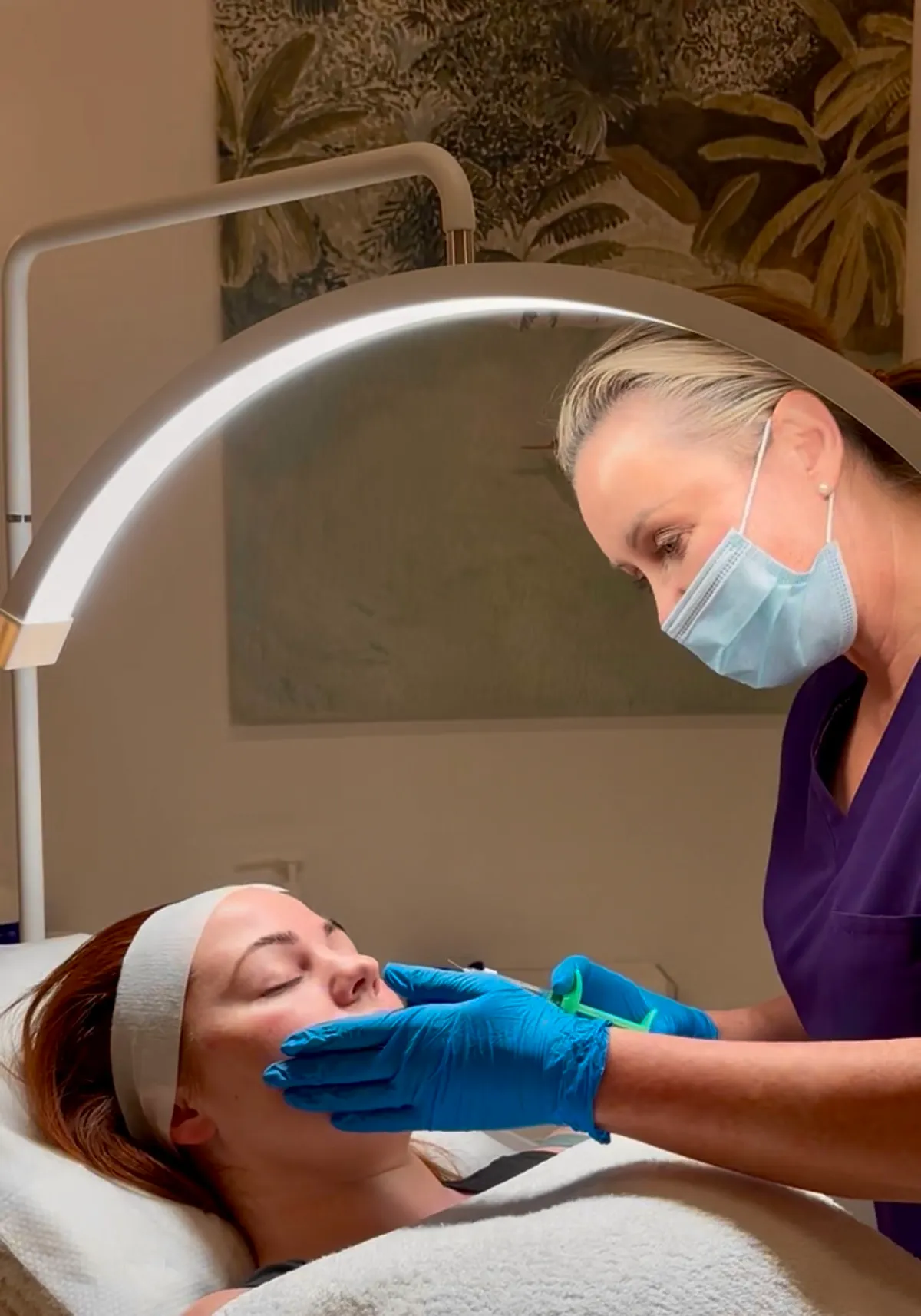
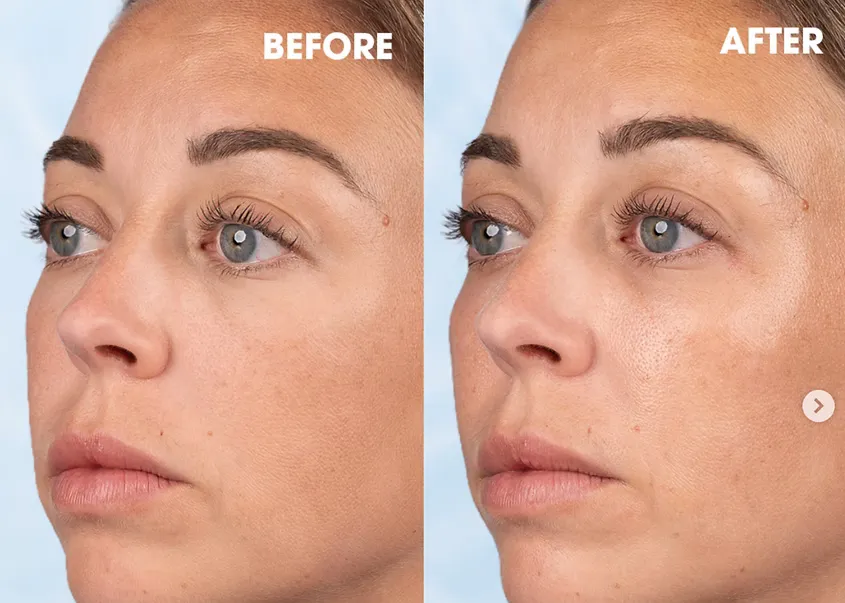
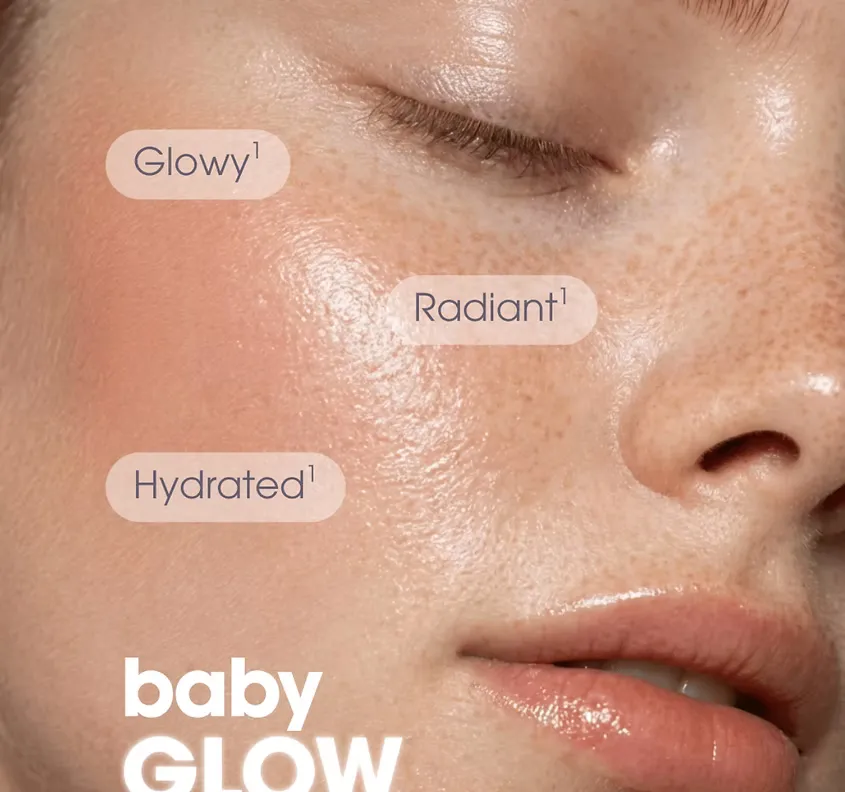
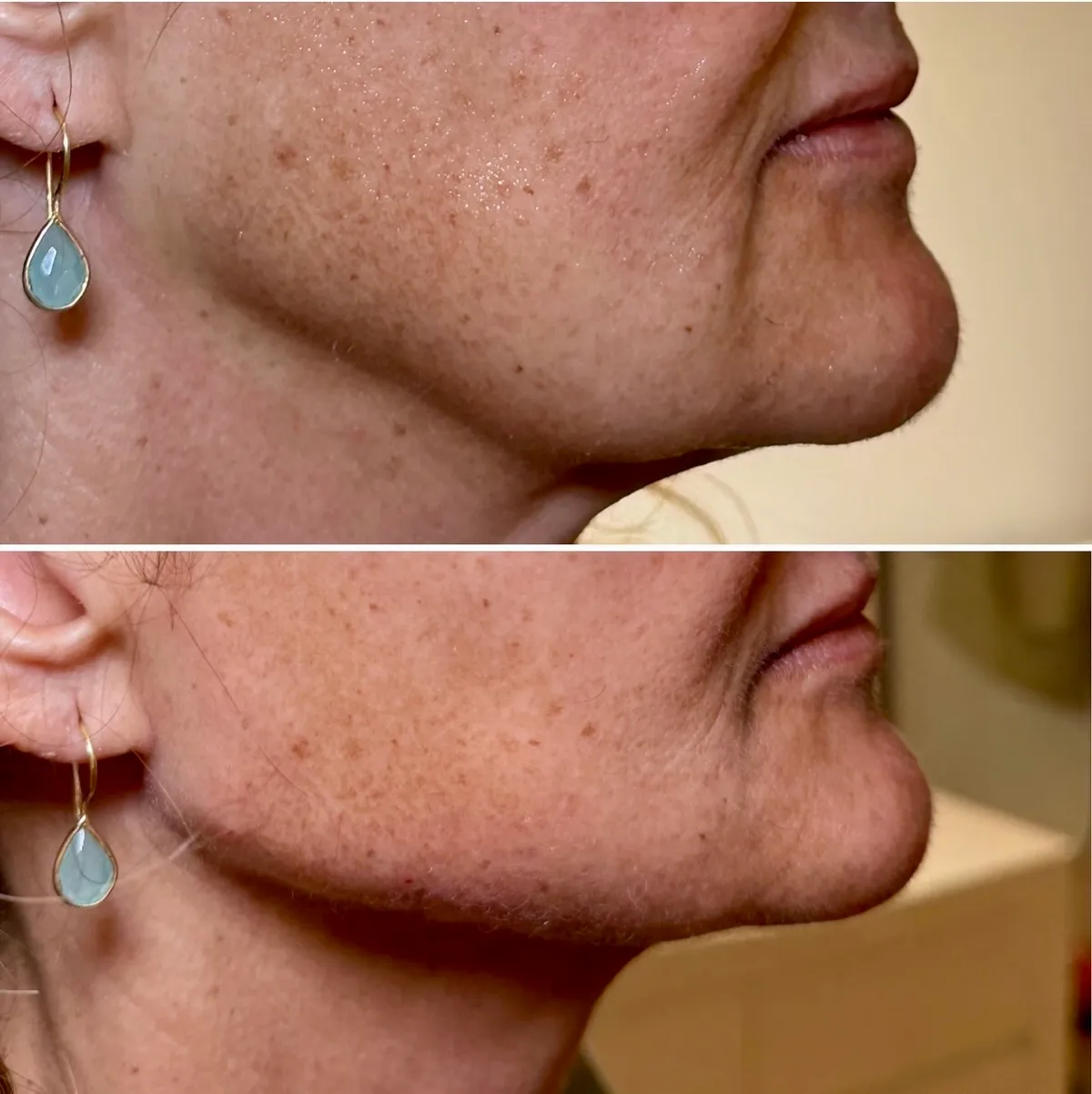
A successful crepey neck treatment plan combines modalities to target hydration, collagen stimulation, and tightening. Skin boosters such as Profhilo have gained popularity for revitalising the neck by deeply hydrating and improving skin texture. Newer options like Babyglow by Teoxane offer hyaluronic acid hydration with lift-focused injection techniques, enhancing radiance.
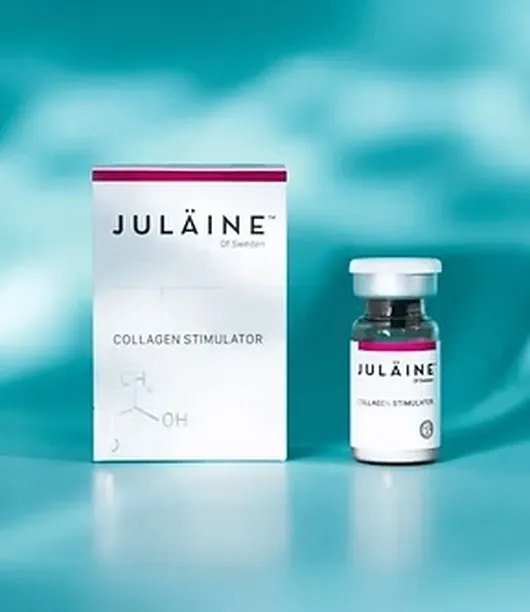
Polynucleotides, known for their regenerative properties, support skin repair and elasticity. In my clinic, I often incorporate Juläine, a refined PDLLA treatment that delicately stimulates long-lasting type one collagen production over a series of three treatments spaced a month apart, improving skin firmness and hydration naturally.
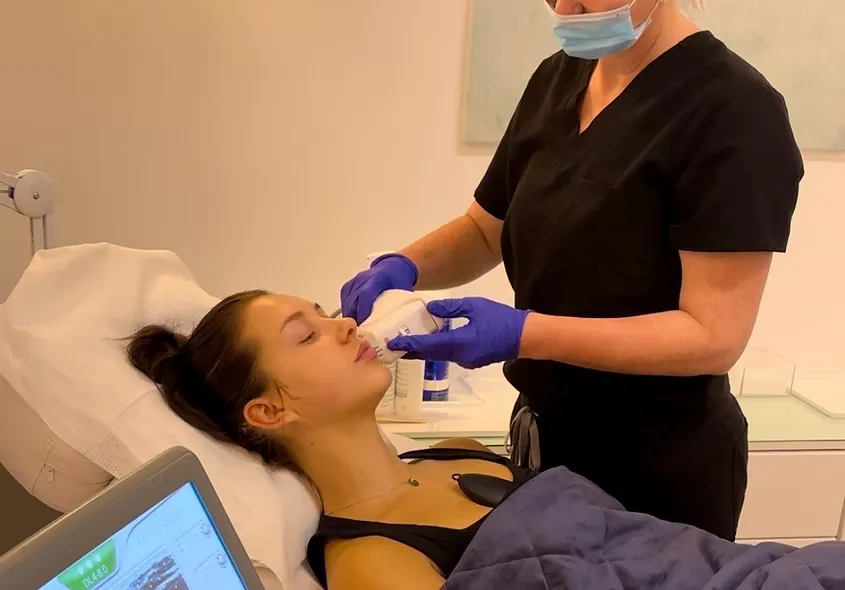
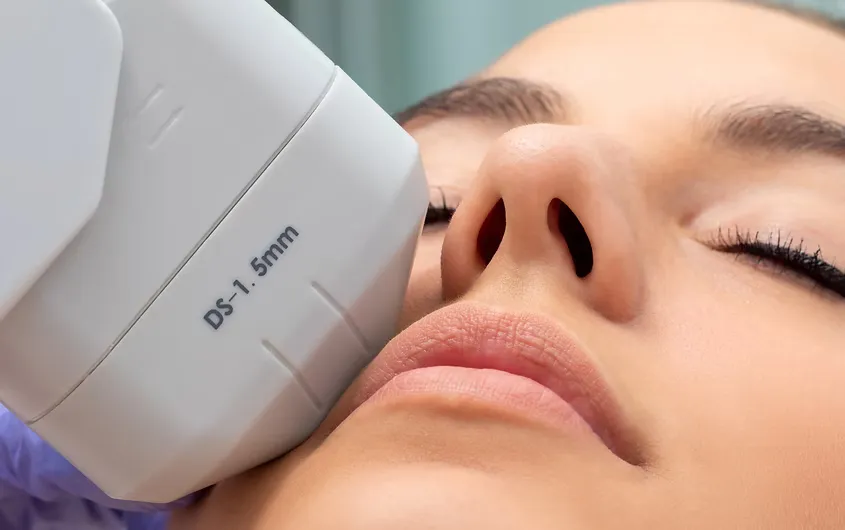
Microneedling and RF microneedling work well to promote skin renewal and collagen synthesis, especially for early to moderate crepiness. For more significant laxity, non-surgical energy-based devices like HIFU can safely tighten underlying muscles and tissue layers, but patient selection and technique are key to avoiding overpromising results.
Complementary skincare, including rigorous sun protection, remains fundamental to protecting and prolonging treatment outcomes.
Managing Expectations Realistically
It's essential to understand that while combining these treatments often produces significant improvement in crepey neck skin, very advanced laxity or loose skin may require surgical consultation. Results vary according to individual skin quality, age, and lifestyle, and any treatment plan we discuss is tailored to your medical assessment and consultation.
Building what I call "collagen banking" early by maintaining skin quality with appropriate treatments and skincare makes future age-related changes easier to manage.
Frequently Asked Questions
Q1: How soon will I see results from crepey neck treatments?
A: Skin boosters and collagen stimulators typically show gradual improvement over weeks, with optimal results after multiple sessions.
Q2: Are these treatments painful?
A: We use topical anaesthesia and gentle techniques to ensure minimal discomfort during procedures.
Q3: How long do the treatment effects last?
A: Duration varies, but many patients maintain improvements for 6-12 months with appropriate follow-up and skincare.
Q4: Can men benefit from these treatments?
A: Absolutely. Men experience similar ageing factors and can achieve natural, fresh results with tailored plans.
Q5: Is non-surgical treatment safe for the neck area?
A: When performed by accredited practitioners with appropriate assessment, these treatments are safe and effective.