


How Lenisna Promotes Natural Collagen Production
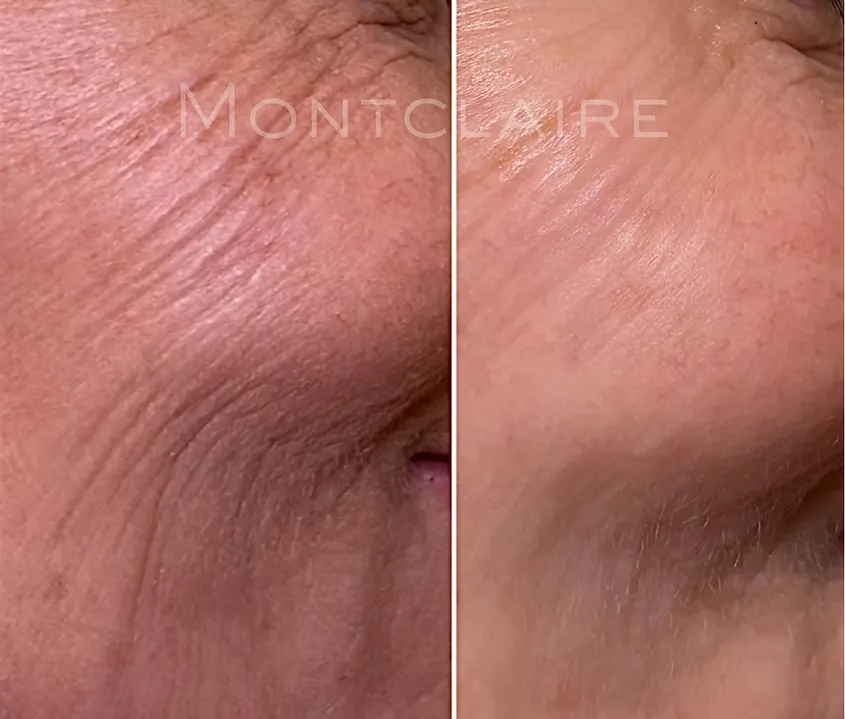
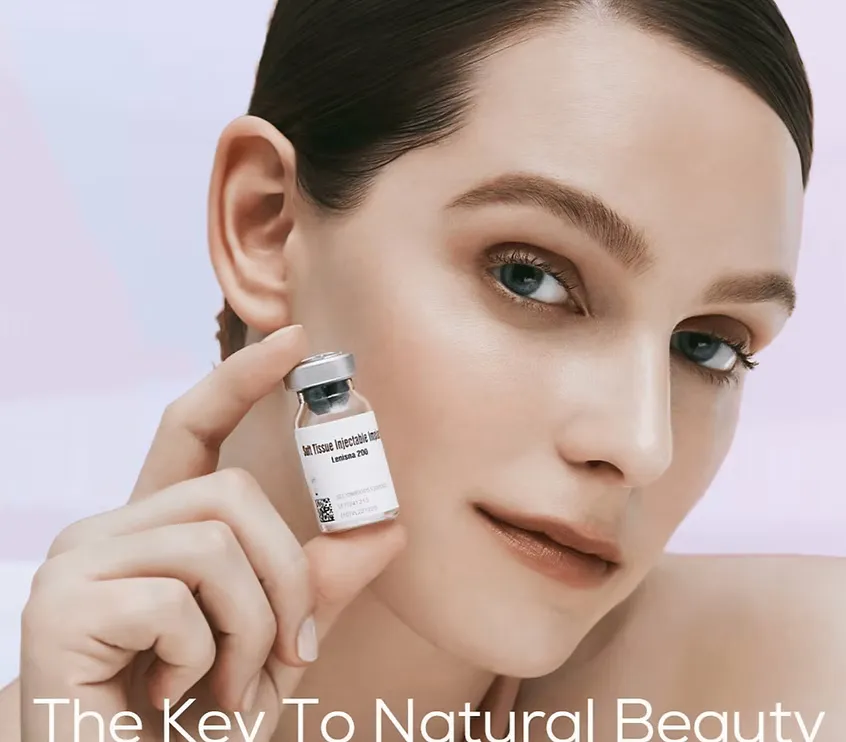
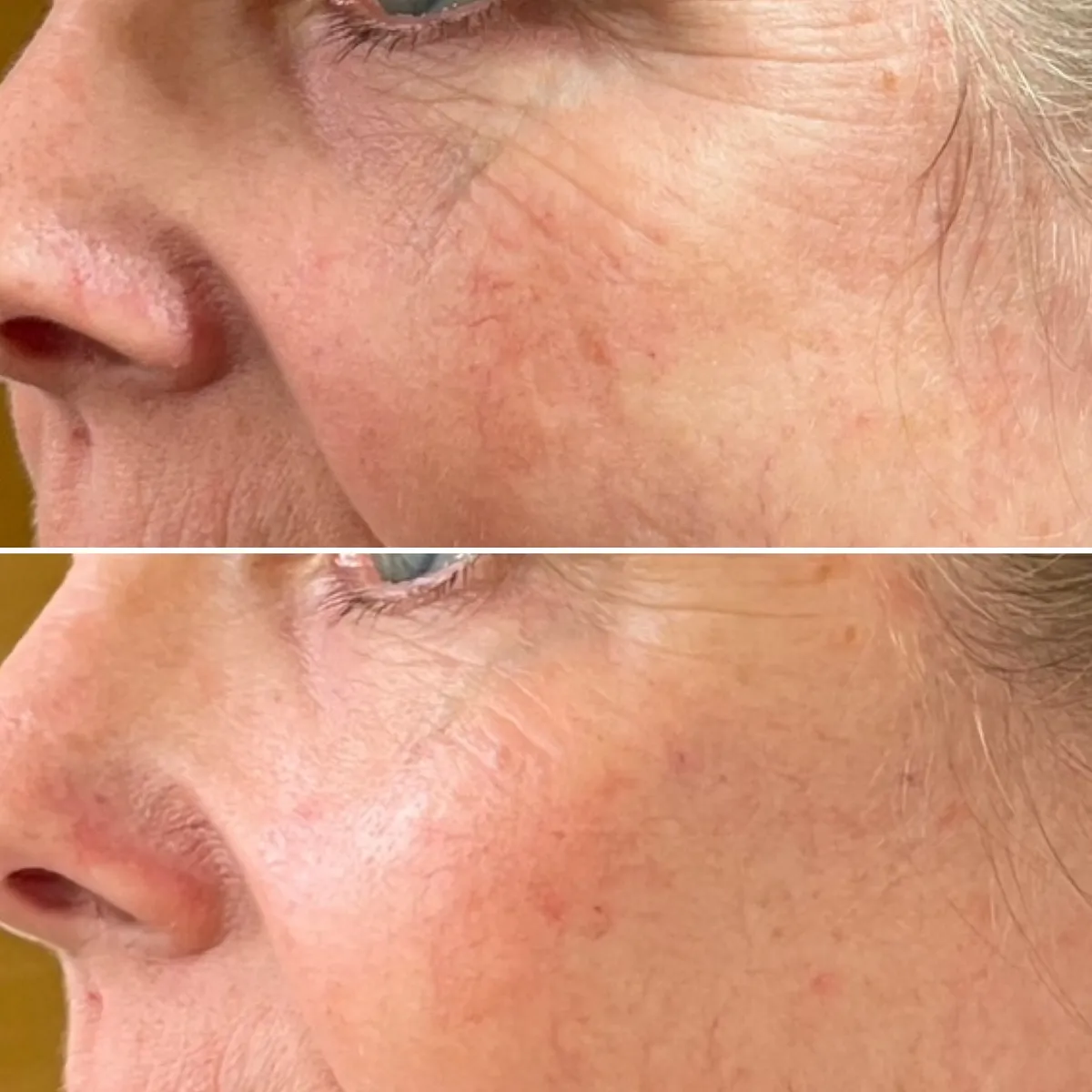
When I began offering Lenisna in my Barnes clinic, it quickly became apparent how its collagen banking approach supports the skin's long-term tissue health. The PDLLA microspheres stimulate fibroblasts to initiate gradual collagen type I and type III production, the key structural components that restore dermal strength and elasticity. Results emerge over 3 to 6 months, reflecting the natural maturation of the collagen matrix, lasting 18 to 24 months or more with sensible annual maintenance.
Treatment Areas and Patient Experience
Lenisna's versatility is impressive. It suits patients across a spectrum, from those noticing early signs of skin laxity and reduced elasticity due to ageing or menopause, to individuals requiring subtle volumisation without the risk of a "done" look. In my practice, areas such as the temples, lateral cheeks and retaining ligaments are targeted to reinforce facial anatomy thoughtfully, adhering to my skin-first philosophy.
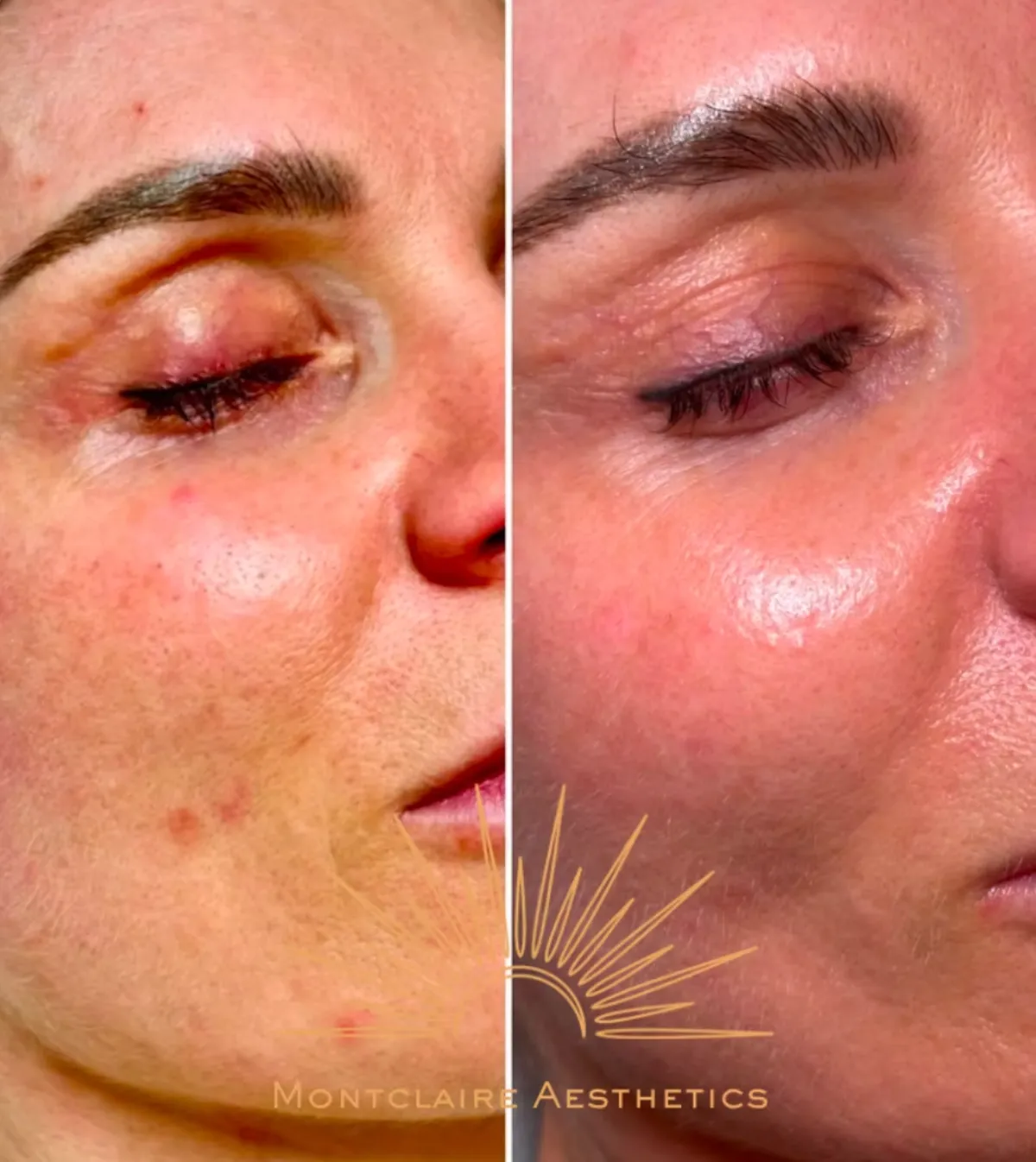
During treatment, a topical numbing agent ensures comfort. Patients typically undergo 2 to 3 sessions spaced a month apart. Unlike Sculptra's 5-5-5 massage rule, Lenisna requires no rigorous massage, thanks to particle uniformity. Downtime is minimal, though mild swelling or bruising can occur. I always candidly discuss who the treatment is not suitable for, such as those with severe autoimmune disorders or pregnancy.
Lenisna vs Sculptra: Clinical Insights
While Sculptra also uses PLLA as a collagen stimulator, the nuanced differences in molecule structure influence safety and patient experience. I've found Lenisna offers a lower risk profile for nodules and more predictable results without the post-injection massage necessity. Yet, the success of either treatment depends substantially on practitioner expertise. Patient selection and injection technique remain paramount, factors I refine through over a decade of clinical practice.
What I've Learnt as One of the UK's First Lenisna Practitioners
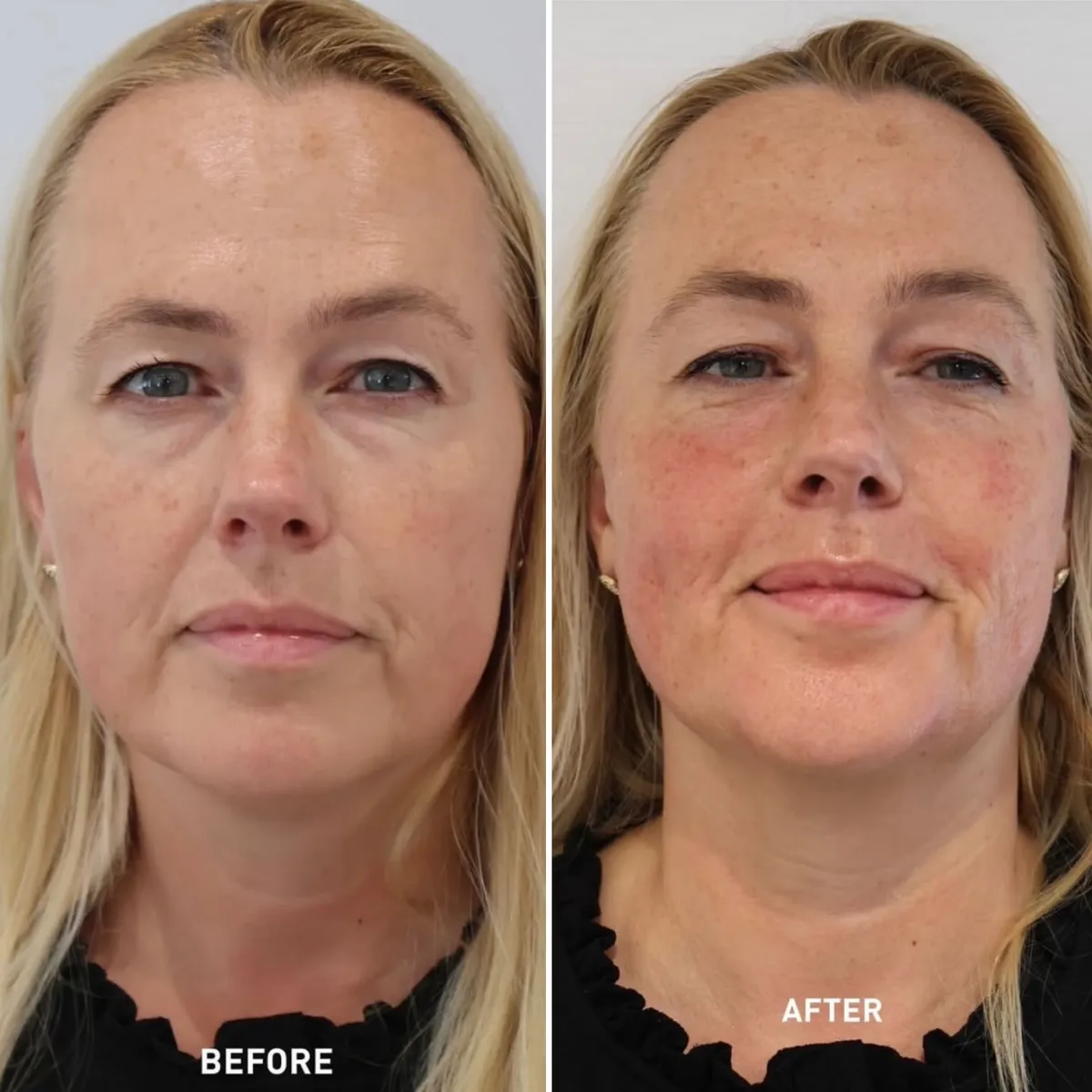
Through treating numerous patients over several years, I have observed that initial improvements at 3 months mature further at 12 and even 24 months, emphasising Lenisna's role in long-term collagen banking rather than instant correction. I've noticed that gradual, natural-looking enhancements align most closely with patient satisfaction, especially among those wary of overfilled or unnatural aesthetics.
Selectivity in patient candidacy is vital. I prioritise individuals presenting with structural ageing and declining oestrogen levels impacting skin quality, often women transitioning through menopause. Patients seeking aggressive volume replacement or rapid, dramatic changes may find other treatments more appropriate.
Integrating Lenisna with Other Regenerative Treatments
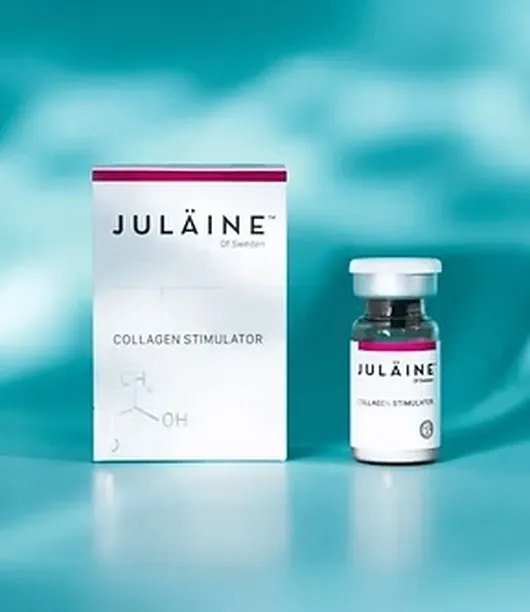
To complement Lenisna's collagen stimulation, I often incorporate Juläine, a perfected PDLLA treatment focused on skin tightening and radiance, or Babyglow by Teoxane, a hyaluronic acid-based skin hydrator that enhances luminosity strategically. This combination supports the skin-first philosophy, aiming to boost natural function and healthy ageing.