

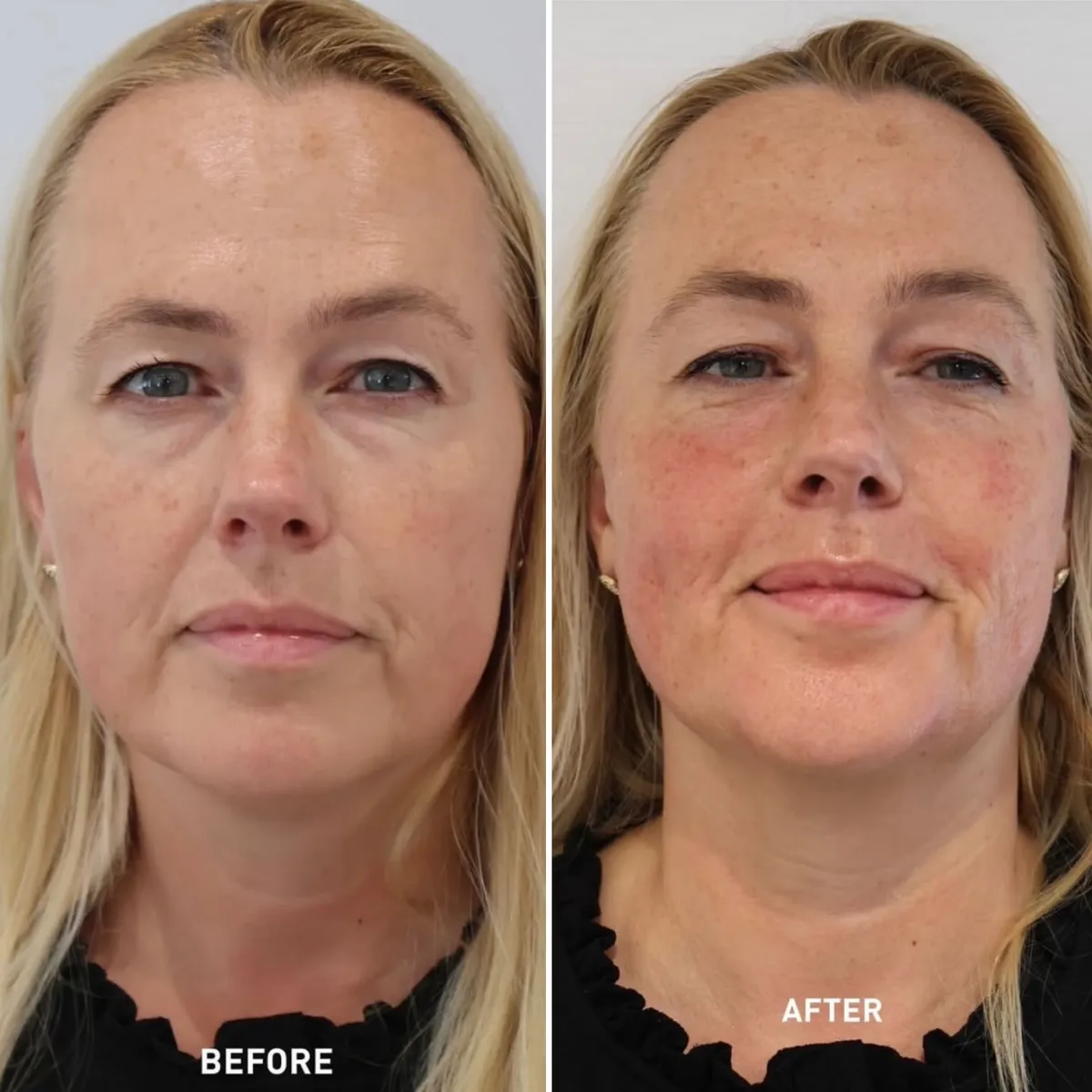
As a practitioner with over 30 years' experience in regenerative aesthetics, I have witnessed firsthand how collagen stimulation transforms skin health and appearance. Juvelook, a hybrid treatment combining PDLLA and hyaluronic acid, represents a significant advance for patients seeking natural facial restoration, particularly around challenging areas like the under-eyes.
Juvelook differs notably from both traditional collagen stimulators and pure hydrating skin boosters such as Skinvive by Juvederm. Unlike classic collagen stimulators, Juvelook uses finer PDLLA particles that act more superficially and delicately, encouraging Type I and III collagen production to enhance skin structure over time. Compared to hydrating boosters alone, Juvelook goes beyond moisture to regenerate skin quality and texture.
What is Juvelook and How Does It Work?
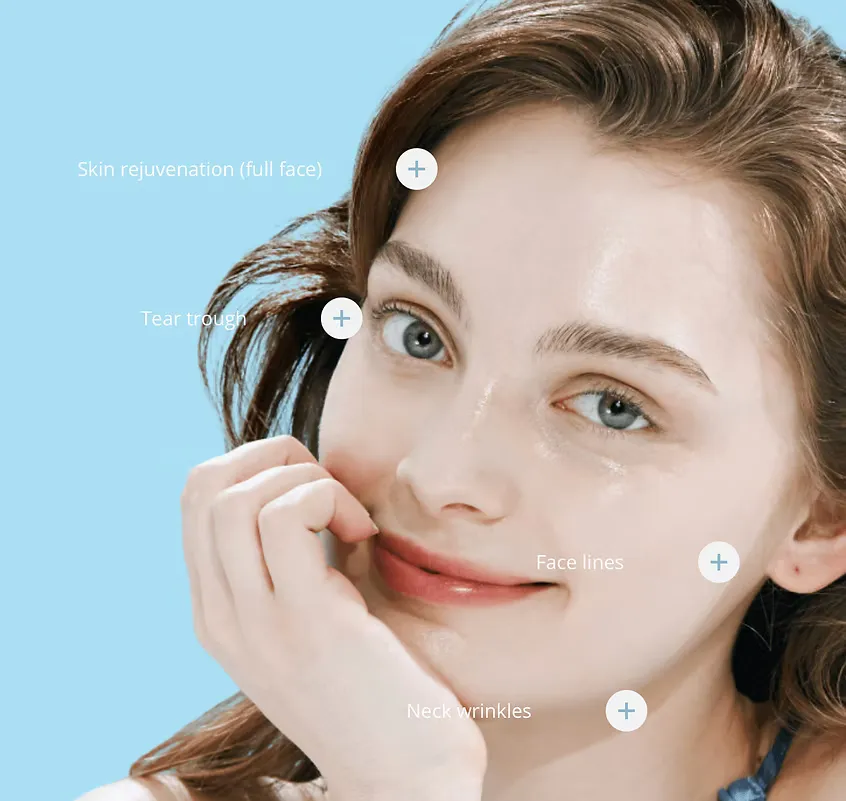
Juvelook is a skin quality treatment rooted in Korean regenerative medicine principles, designed to refine texture, improve laxity, and gently support the under-eye and mid-face. The PDLLA component stimulates natural collagen types essential for restoring firmness and elasticity, while the added hyaluronic acid delivers hydration and radiance.
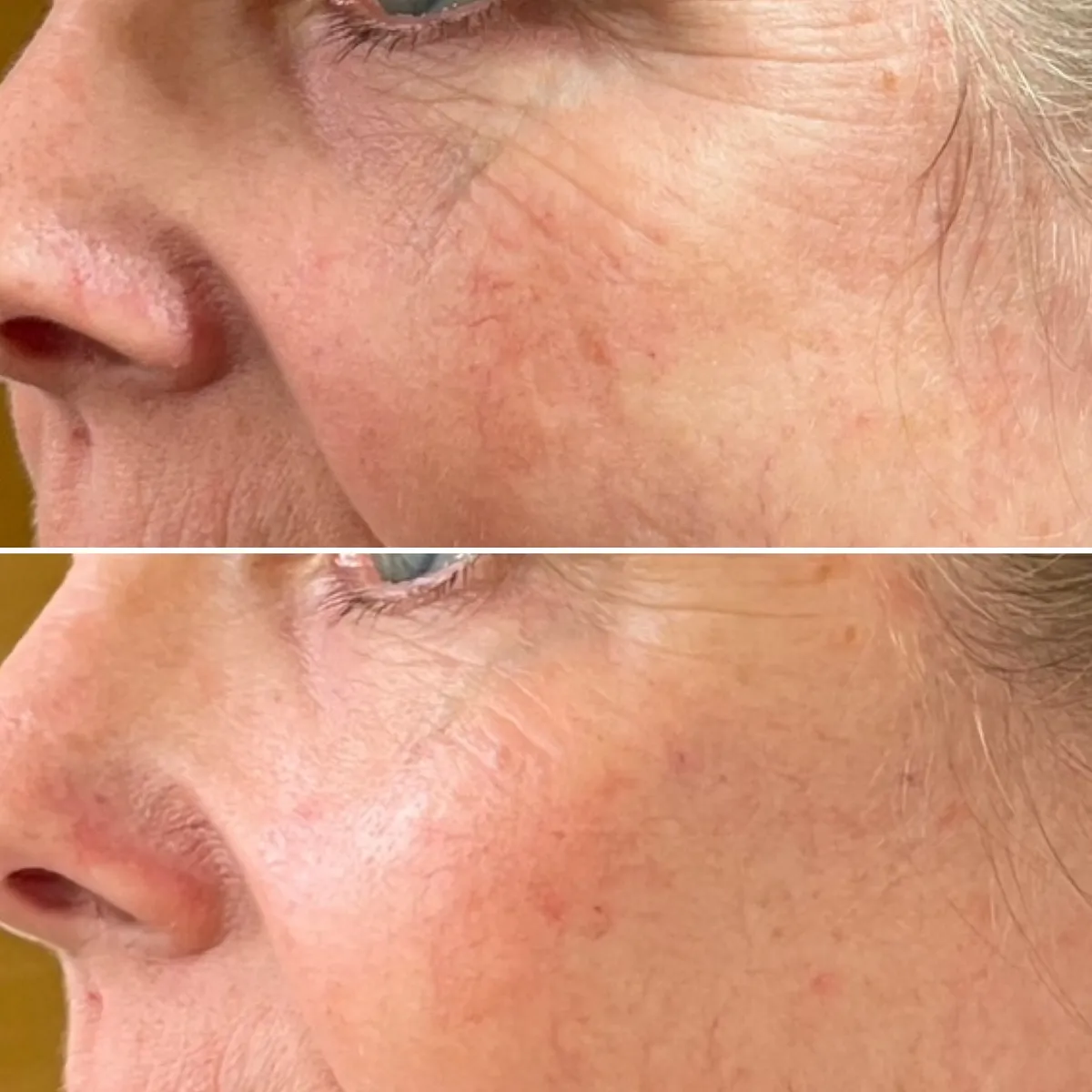
I find the under-eye area especially demanding due to its delicate structure and thin skin. Many patients come in concerned about fine lines, crepey texture, or hollowing without wanting a "done" look. Juvelook's subtle approach allows us to support and regenerate this sensitive area without filler-like results, aligning perfectly with my philosophy of 'regeneration before correction'.
Treatment Protocol and Expected Results
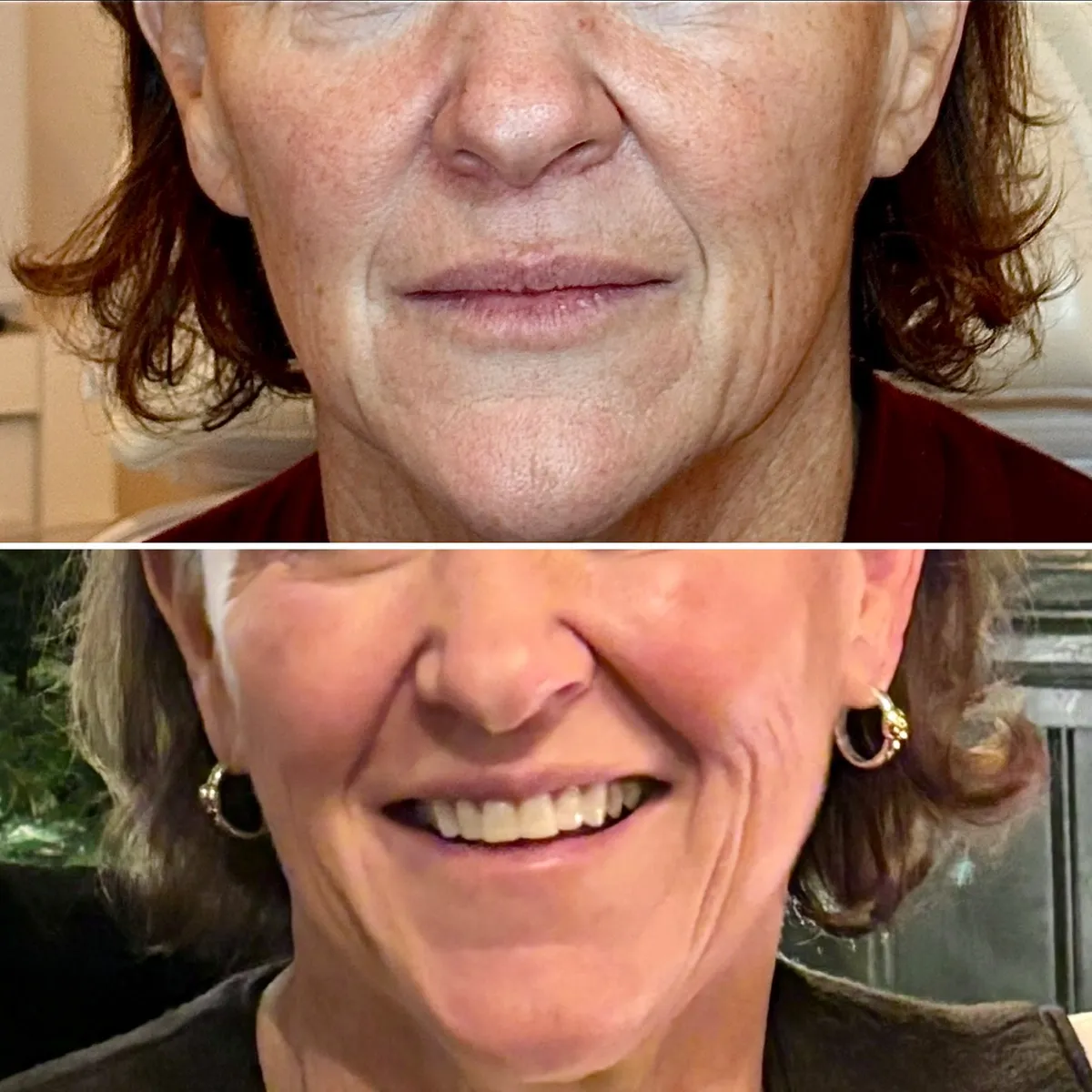
Typically, a course of three sessions spaced about a month apart is recommended. Patients often notice gradual improvements in skin texture and firmness after the first two months, with results continuing to mature over 3–6 months as new collagen settles. This gradual, natural enhancement is a hallmark of Juvelook treatment.
Maintenance is key: because collagen is metabolised over time, I advise yearly follow-ups within a collagen banking strategy, optimising long-term tissue health and preventative ageing. One clinical observation is that women experiencing the decline of oestrogen from their mid-30s onwards particularly benefit from this stimulation to counteract structural ageing effects.
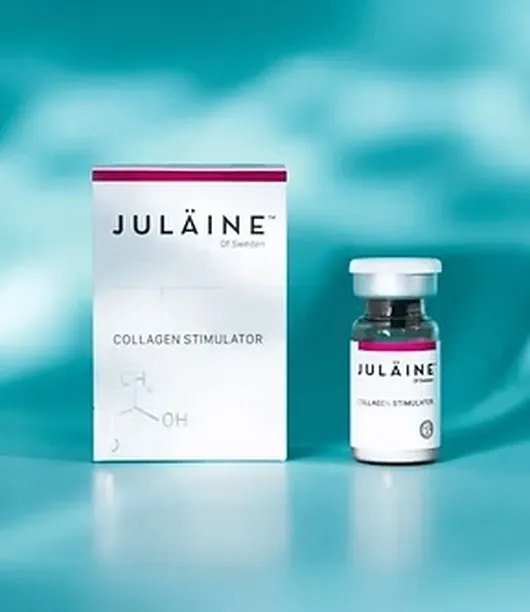
Comparing Juvelook, Lenisna, and Juläine
I often weigh which treatment suits each patient. Choosing between them involves assessing skin condition, ageing patterns, and patient expectations during a thorough consultation.
Candidacy and Considerations
Juvelook is suitable for individuals aged 35 to 65 aiming for natural anti-ageing without visible filler effects. However, it is not recommended during pregnancy, for patients with autoimmune conditions, or those with active skin infections in the treatment area.
Downtime is minimal, and while some transient redness or swelling can occur, these usually subside within 48 hours.