

Understanding Juläine vs Sculptra: What Sets Them Apart?
In the world of collagen-stimulating treatments, Sculptra has long been recognised as a revolutionary product with a robust evidence base and an excellent safety record. However, with advancements in biomaterial technology, Juläine emerges as a next-generation poly-L-lactic acid (PLLA) stimulator offering enhanced safety profiles, broader applicability, and more uniform collagen regeneration. Choosing between these products should be informed by individual skin quality, anatomical considerations, and treatment goals rather than marketing alone.
Honouring Sculptra's Impact
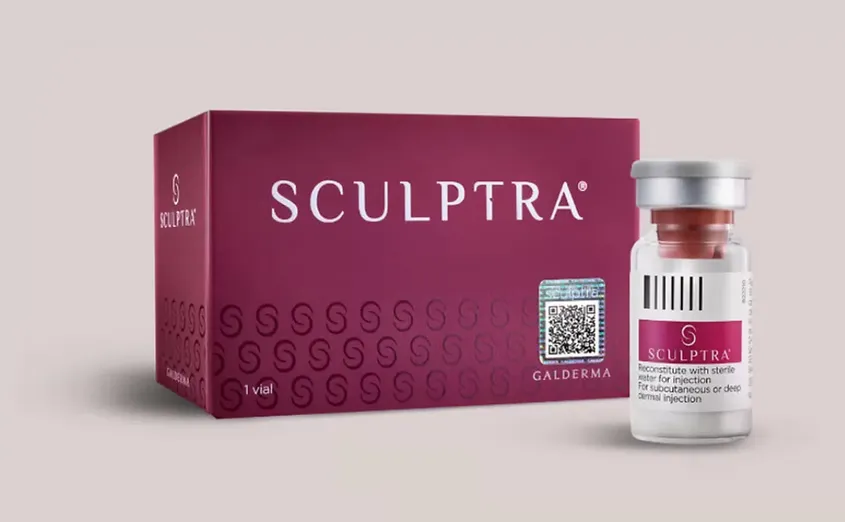
Sculptra has been a pioneering collagen stimulator for over 20 years, maintaining its status as the original injectable that encouraged natural, gradual skin rejuvenation. Its effectiveness in stimulating type I and III collagen synthesis is well-supported through extensive clinical evidence and decades of practical use. Historically, Sculptra's ideal application has been in the temples, cheeks, and jawline areas, with a safety record that reassures patients and practitioners alike.
The traditional protocol involves a meticulous massage routine, approximately five minutes, five times daily for five days, to optimise integration and minimise nodule formation. While effective, this approach reflects the product's formulation and technology state when first developed two decades ago.
Why Has the Original Product Remained Largely Unchanged?
Despite Sculptra's longevity, its formulation has not dramatically evolved alongside underlying PLLA technology advancements. This stability has preserved safety and efficacy standards but may restrict opportunities for enhanced outcomes or broader treatment zones.
Advances in Next-Generation PLLA: Juläine's Innovations
Juläine represents a refined PDLLA (poly-DL-lactic acid) collagen stimulator designed to improve upon traditional methods. Key developments include:
- Improved Particle Uniformity: More consistent particle size fosters uniform collagen stimulation and reduces irregularities.
- Enhanced Safety: Adjusted formulation and injection techniques reduce the risk of nodules and adverse reactions.
- Expanded Treatment Areas: Experienced practitioners can now explore applications in the midface, forehead, and under-eye regions, areas traditionally avoided with Sculptra due to sensitivity and risk factors.
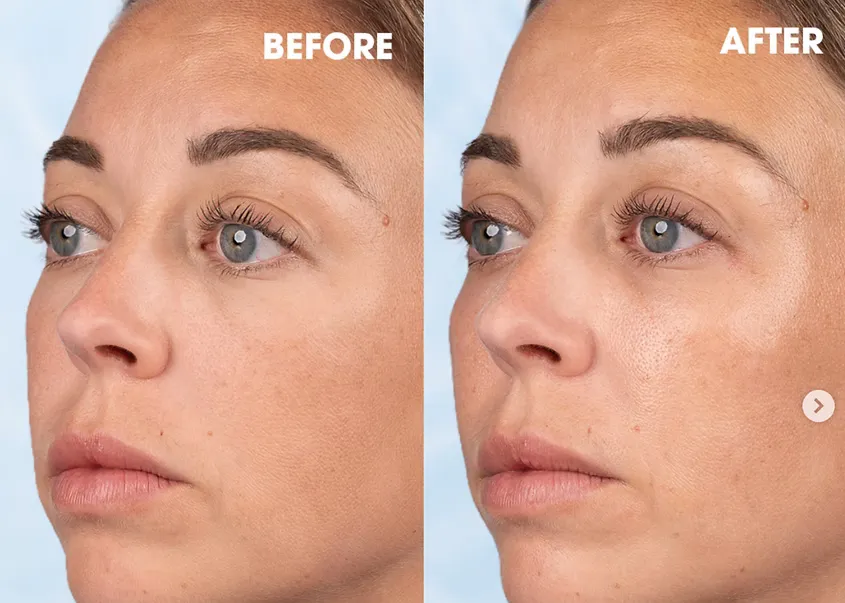
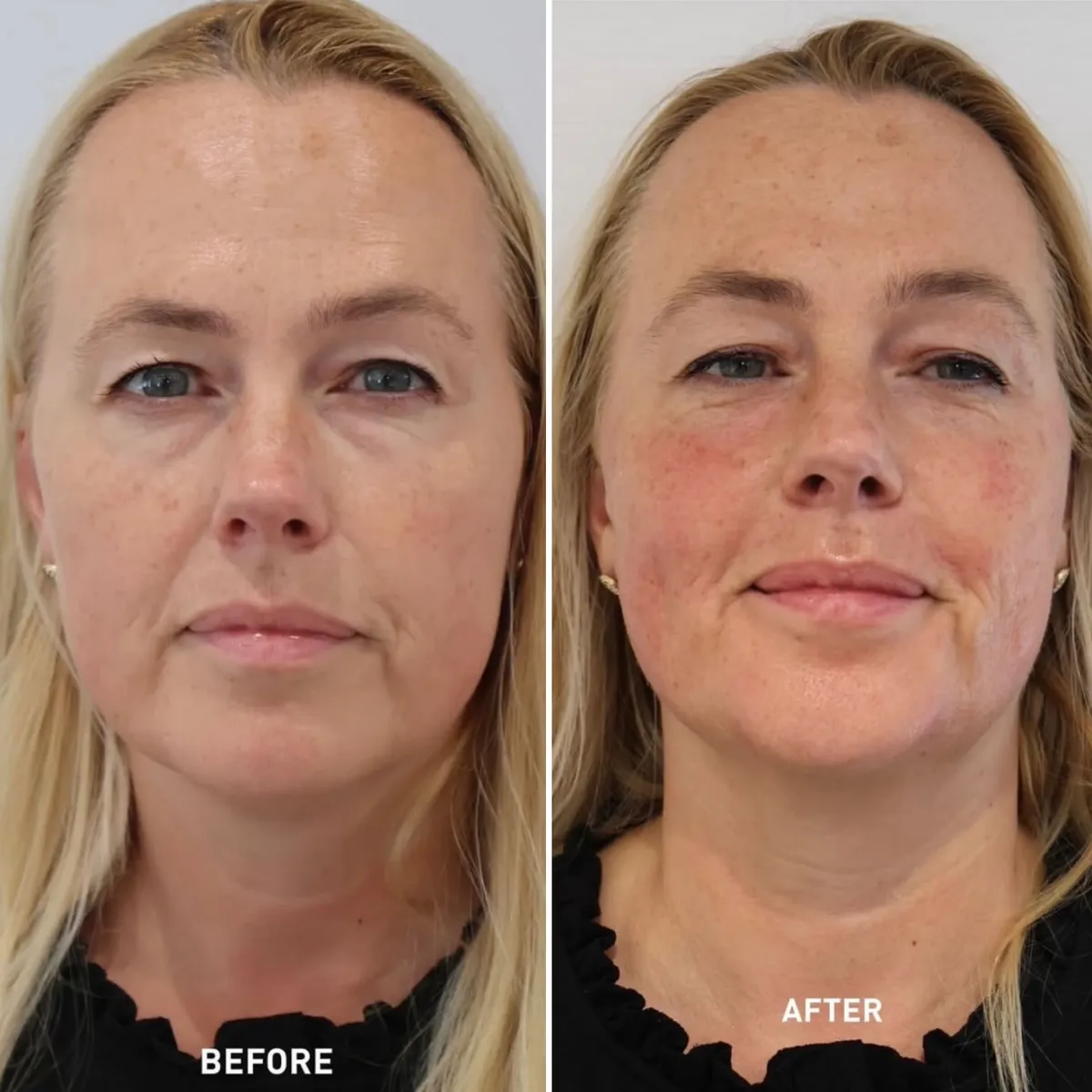
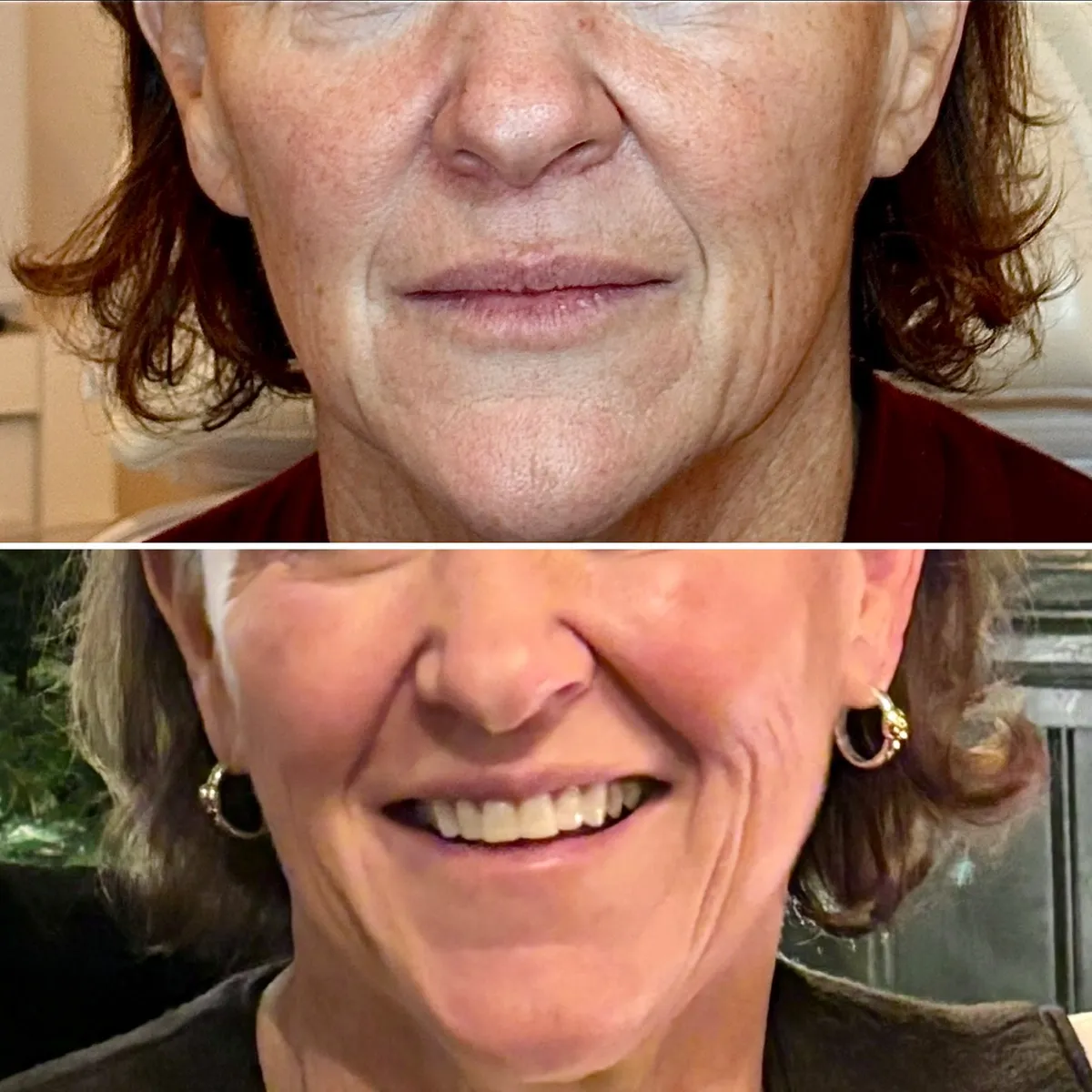
- Natural, Gradual Regeneration: The collagen synthesis stimulated by Juläine yields a uniformly textured and fresher skin appearance over approximately 3 to 6 months.
These improvements, however, demand thorough practitioner expertise to ensure optimal outcomes and safety, particularly when treating advanced facial zones.
Practical Considerations: Technique and Suitability
| Feature | Sculptra | Juläine | |-------------------------|------------------------------------|------------------------------------| | Technology Base | Original PLLA | Next-gen PDLLA | | Evidence Base | Over 20 years, well documented | Newer, growing clinical experience | | Massage Protocol | 5 mins × 5 times/day × 5 days | Modified/shorter protocols possible| | Treatable Areas | Temples, cheeks, jawline | Includes midface, forehead, under-eye (advanced practitioners only) | | Nodule Risk Profile | Low, with massage compliance | Further reduced with improved formulation | | Longevity of Effect | 18–24 months (variable) | Similar duration, dependent on treatment plan | | Ideal Patients | Mature skin with volume loss, skin laxity | Broader suitability including delicate zones and earlier intervention |
Clinical Judgement: Personalising Your Choice
As a practitioner with over 30 years' experience, I always emphasise that no single product suits every patient. Factors such as your unique facial anatomy, skin condition, lifestyle demands, and aesthetic aspirations should guide the decision. Both stimulators encourage gradual collagen renewal; however, your treatment plan, including timing, area selection, and maintenance, must be bespoke.
Skin quality and prior treatments also influence which product may offer better results or safety profiles. For example, Juläine may appeal to those seeking natural-looking rejuvenation in sensitive areas not historically treatable with Sculptra.
FAQs
1. How quickly will I see results with Juläine or Sculptra?
Both stimulate collagen production over 3–6 months, so results develop gradually rather than immediately after treatment.
2. Are the treatments painful?
Most patients report only mild discomfort; topical anaesthesia and gentle injection techniques are used.
3. How many sessions are required?
Typically, Juläine requires 3 sessions spaced about a month apart; Sculptra protocols vary but often involve multiple sessions as well.
4. Can these treatments be combined with other procedures?
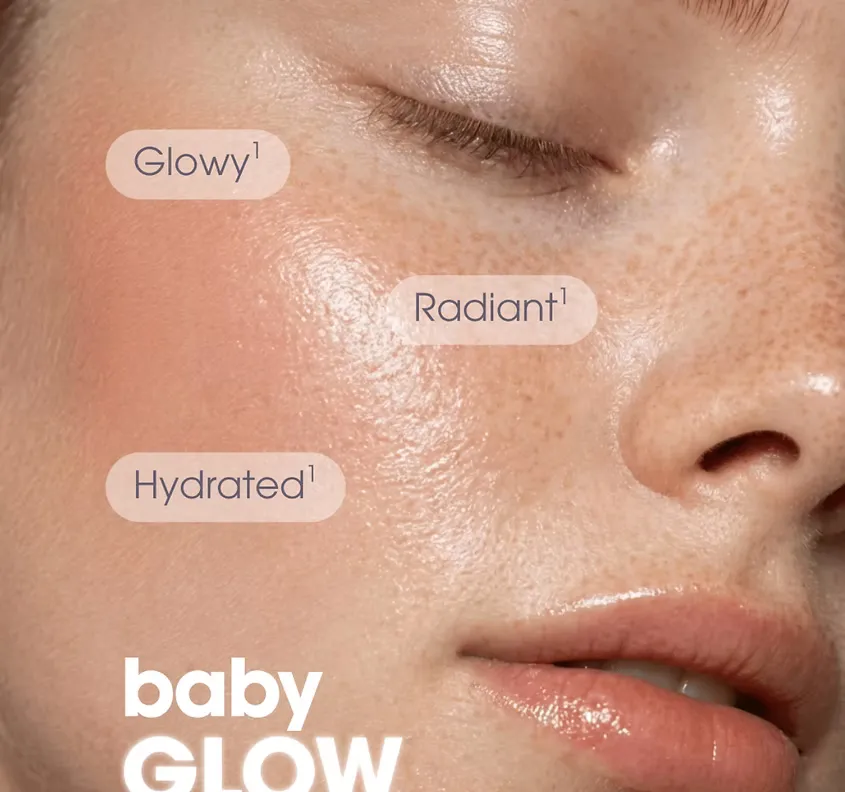
Yes, skincare products such as Babyglow by Teoxane can complement collagen stimulators by enhancing hydration and skin luminosity.
5. What are the risks of side effects?
Both have excellent safety records when administered by qualified practitioners, though brief redness, swelling, or rare nodules can occur.