


When searching for an aesthetic practitioner with the 'best reputation,' it's crucial to understand that reputation is not a simple league table or popularity contest. Instead, it is a pattern of verifiable signals that reflect safety, skill and ethical care. As someone with over 30 years of experience in aesthetic medicine, I have witnessed how discerning these markers can protect your skin health and enhance natural beauty. This guide offers a practical checklist on how to choose an aesthetic practitioner confidently and with peace of mind.
Understanding Reputation as a Composite Score of Safety and Skill
The term "best reputation" should immediately bring to mind a mosaic of transparent, verifiable indicators rather than a single star rating or social media popularity. In aesthetic medicine, particularly when treating sensitive facial areas, the practitioner's medical background, training, and clinical judgement play fundamental roles. Experience becomes ever more vital as treatments grow more advanced, for example, specialised procedures targeting the midface, forehead, or under-eye region demand both deep anatomical knowledge and years of practical expertise.
The Consumer-Protection Checklist
1. Medical Background and Years of Experience
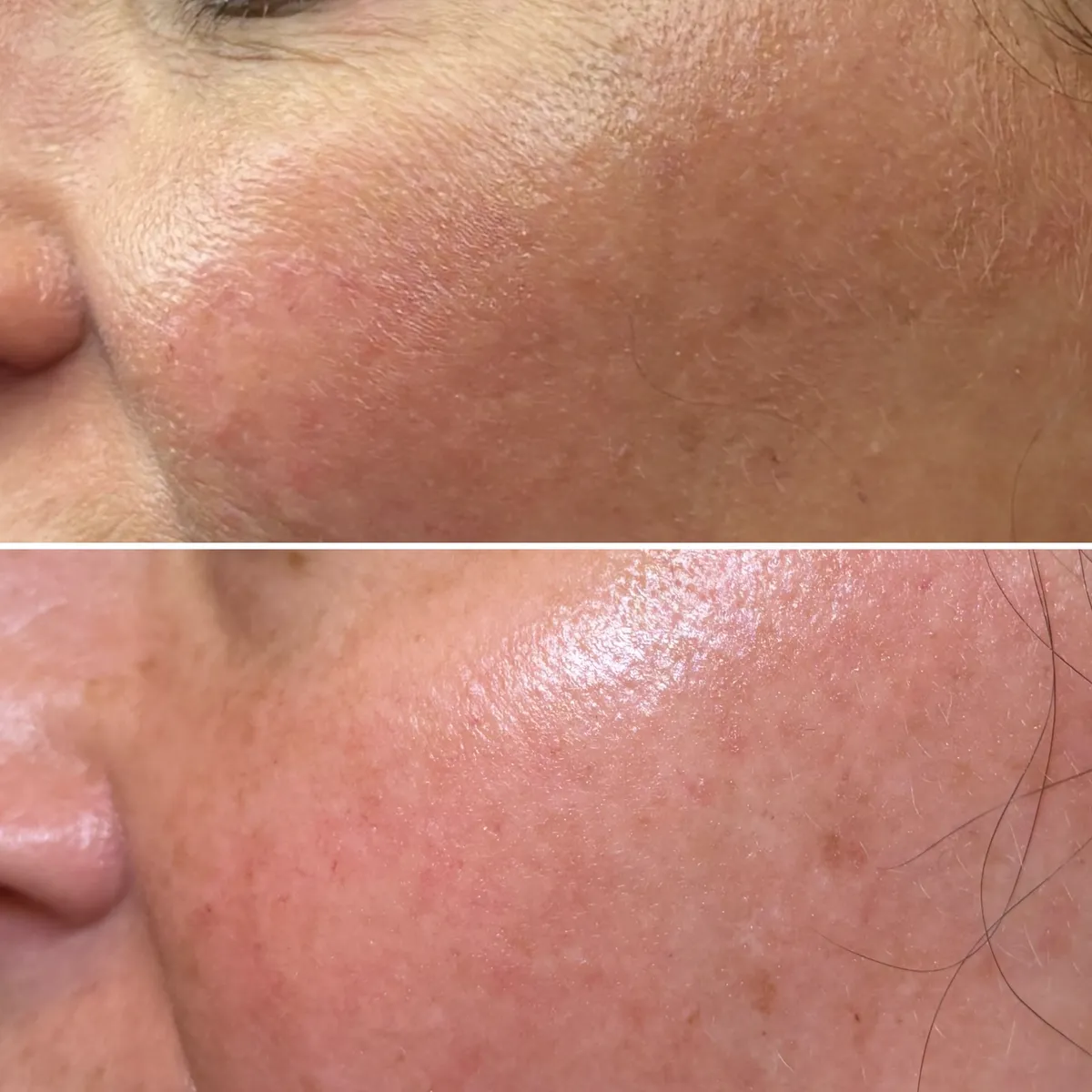
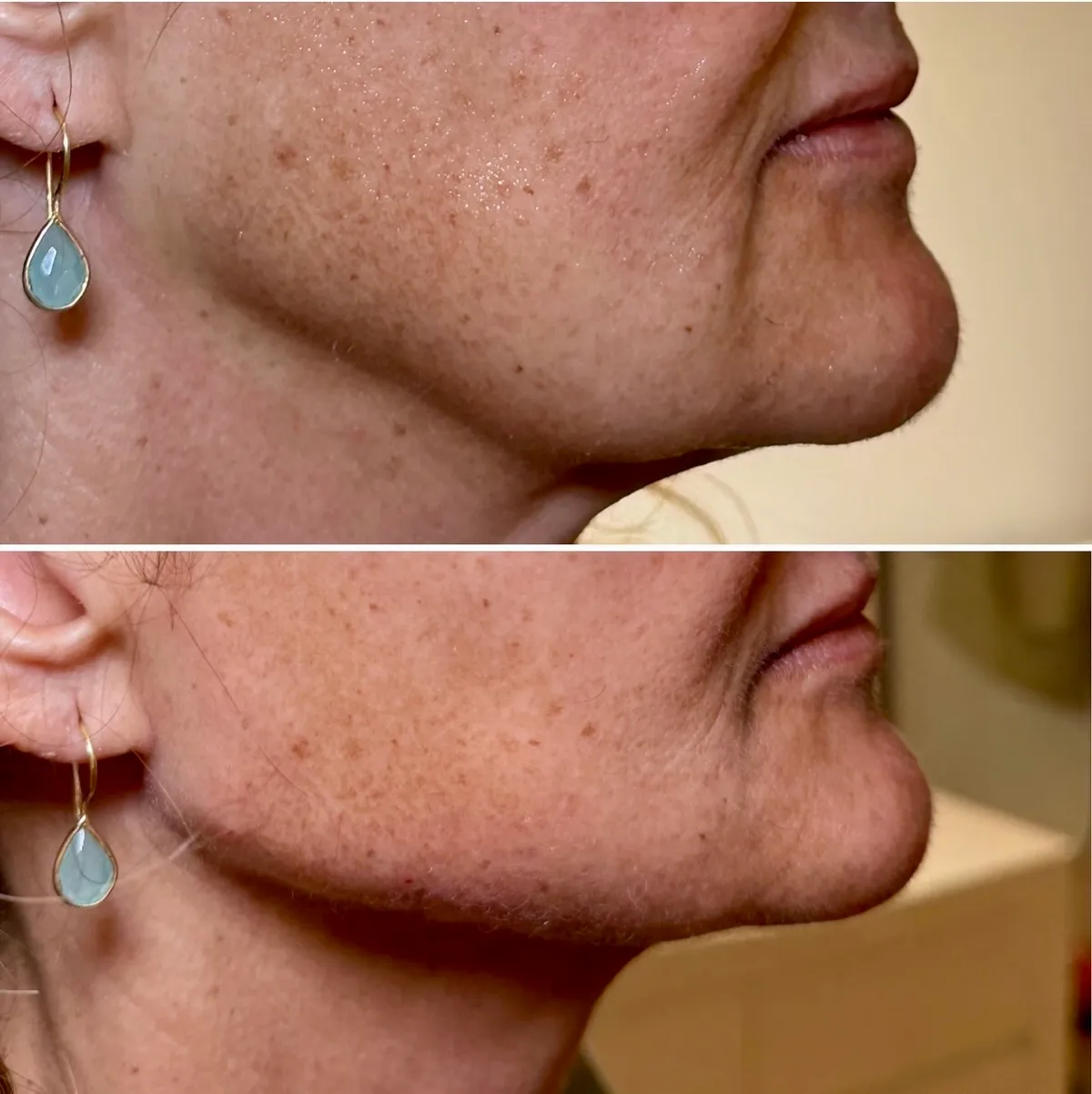
Ensure your practitioner is a registered healthcare professional, medical doctors (GPs, dermatologists, plastic surgeons) or dentally qualified specialists often meet rigorous training standards. Their years of experience navigate subtle facial ageing, fat pad decline, ligament changes and skin laxity. Treatments like Juläine, which stimulate collagen to tighten and lift skin naturally, require someone competent in assessing how your unique anatomy will respond.
2. Anatomy and Advanced Training
Look for practitioners who specifically highlight additional training in facial anatomy and advanced injection techniques. Safe treatments for delicate areas such as the under-eye or forehead involve intricate knowledge of vascularity to avoid complications like vascular occlusion. They should be skilled in recognising these rare events and prepared to manage them swiftly using agents like hyaluronidase.
3. Consultation Quality and Holistic Assessment
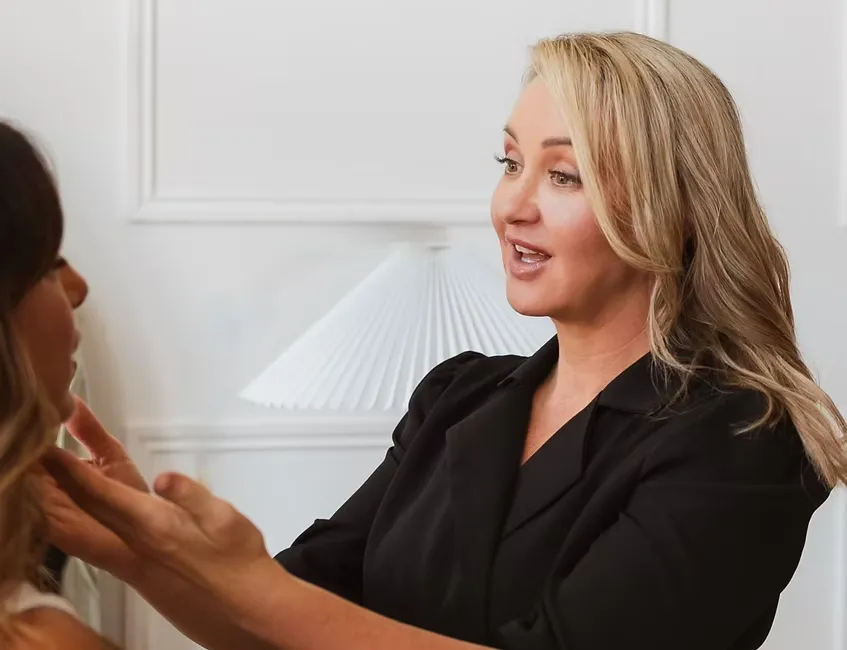
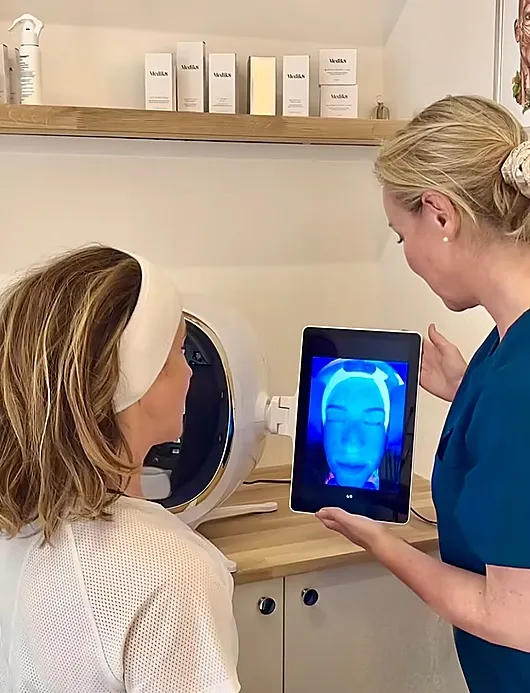
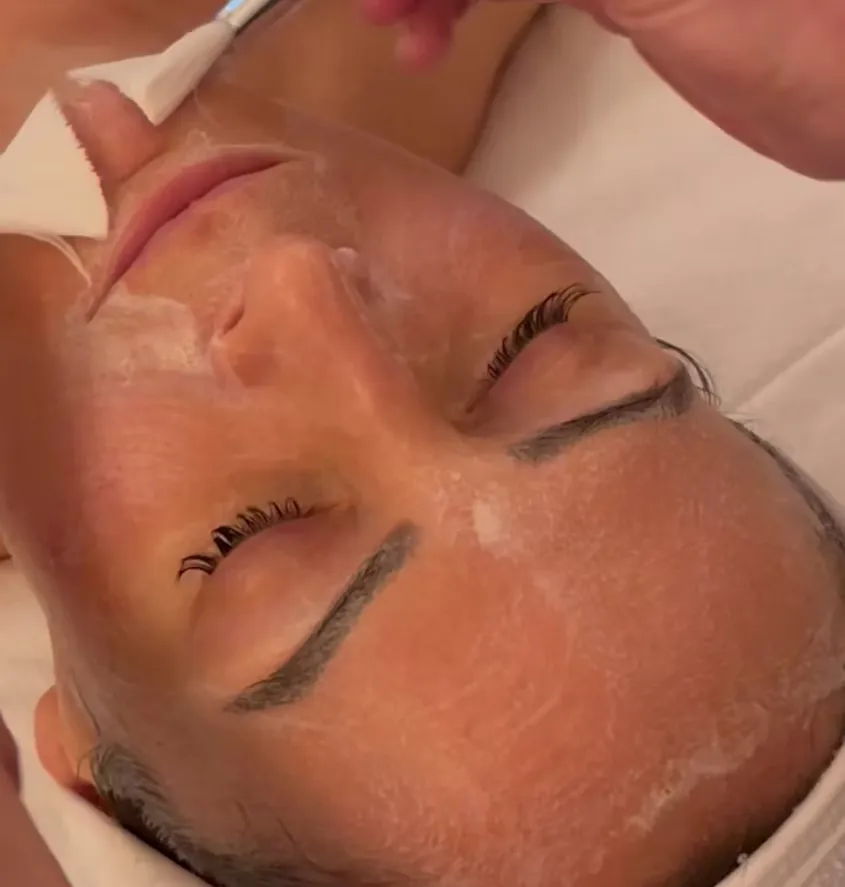
A thorough, personalised consultation lasting at least 45 minutes is a hallmark of a responsible practice. Here, the practitioner should evaluate the entire facial ageing puzzle, bone structure, muscle tone, ligament integrity, fat pad volume and skin quality. Honest experts may recommend conservative approaches or even no treatment where appropriate, prioritising long-term skin health over quick fixes. For instance, the Babyglow by Teoxane treatment targets skin hydration and luminosity but follows a careful assessment of your skin's needs.
4. Product Transparency and Evidence Base
Reputable practitioners disclose the brands and products they use, explaining their rationale grounded in clinical evidence and safety profiles. Avoid clinics that use unapproved or unclear substances. For example, treatments using Juläine's PDLLA or Teoxane's advanced hyaluronic acid formulations have peer-reviewed research supporting their effectiveness and safety.
5. Complication Management Preparedness
Check that your practitioner stocks essential emergency medicines like hyaluronidase and can recognise complications promptly. Beyond injections, they should maintain professional liability insurance, be a recognised prescriber if applicable, and operate from premises meeting health and safety standards compliant with the Care Quality Commission (CQC) or similar UK regulatory bodies.
6. Legitimate Practice Setting and UK-Specific Credentials
Treatments conducted in established clinics within the UK, such as in the Barnes area of South West London, offer added security through regulated environments. Beware of aesthetic procedures performed at home or in unregulated salon settings without medical oversight, as these present increased risks.
Recognising Red Flags
- Pressure to purchase prepaid packages or multiple treatment bundles at consultation.
- Prices that seem extraordinarily low compared to market norms.
- Lack of thorough medical history taking.
- Time-pressured, sales-oriented consultations that do not focus on your individual needs.
Avoid clinics displaying these warning signs to protect your wellbeing.
The Importance of Judgement Over Products
While leading-edge products such as Juläine and Babyglow can enhance skin quality beautifully, the true value lies in the practitioner's judgement, placing the right treatment in the right area, tailored precisely to your anatomy and goals. Results vary due to individual differences, and all treatments should follow a bespoke consultation and medical assessment.
Frequently Asked Questions
Q1: How do I verify a practitioner's medical qualifications in the UK?
A1: Check official registers such as the General Medical Council (GMC) or General Dental Council (GDC) for up-to-date professional status.
Q2: What should I expect during a consultation?
A2: A thorough facial assessment covering bone structure, soft tissue volume, skin laxity and quality, discussing your concerns and realistic outcomes.
Q3: Are all aesthetic treatments safe?
A3: Safety depends on proper patient selection, technique and complication readiness; only experienced practitioners should administer advanced procedures.
Q4: Why is experience important for under-eye treatments?
A4: The under-eye area has complex anatomy with delicate vessels; unskilled injections risk bruising or vascular issues.
Q5: Can I trust online reviews to choose a practitioner?
A5: While reviews can offer insight, corroborate with verifiable credentials, and direct consultation impressions for a fuller picture.