

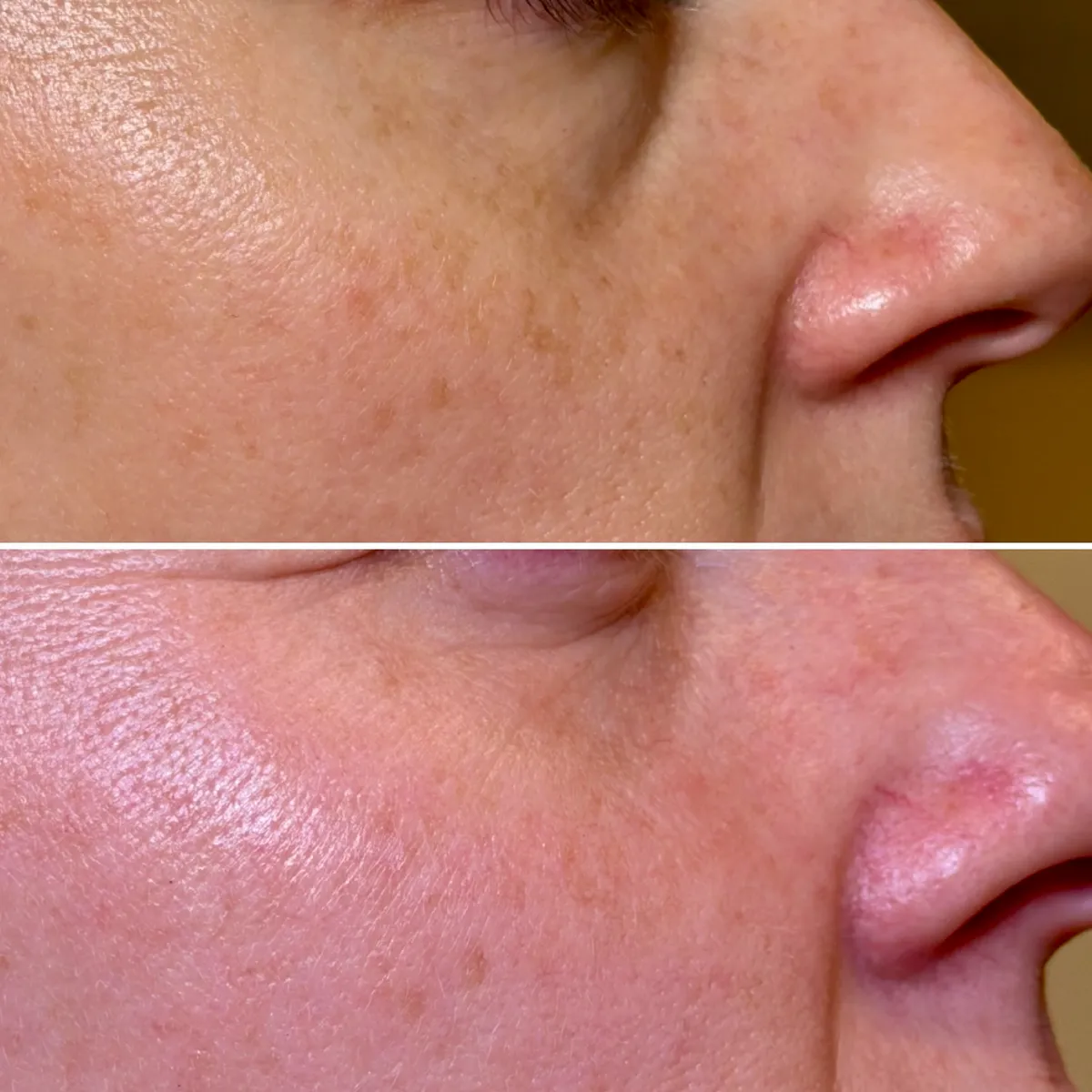
Navigating Changes: An Empathetic Look at Menopausal Skin
Menopause brings undeniable changes to our skin, often causing concern for women who want to maintain a fresh, youthful appearance despite hormonal shifts. These changes in skin quality can feel overwhelming, but understanding the underlying biology offers reassurance and clarity. With over 30 years of clinical experience, I've witnessed firsthand that while no single "best" treatment fits all, certain scientifically grounded approaches provide the strongest foundation for healthier menopausal skin.
Hormonal Shifts and Their Impact on Skin Integrity
As oestrogen levels decline during peri- and post-menopause, the skin undergoes notable changes. Oestrogen plays a pivotal role in maintaining collagen, the protein responsible for skin's structure and firmness. Reduced oestrogen leads to lower production of Types I and III collagen, thinning the skin, diminishing hydration, and reducing elasticity.
However, the pace and extent of these changes vary widely. Genetics, lifestyle (such as smoking, sun exposure, and nutrition), and overall health all influence how skin ages, which is why a universal "best" treatment is elusive. Instead, personalised approaches that consider these variables yield better outcomes.
The Clinical Perspective: Prioritising Collagen Regeneration
From a clinical standpoint, the strongest initial step in treating menopausal skin is focused on regenerating and stimulating collagen, which I term "collagen banking." This process encourages the skin to produce new Types I and III collagen, essentially rewinding some of the skin ageing that has occurred in recent years.
Products and treatments targeting collagen banking replenish skin strength, improve its texture, and restore hydration levels, setting the stage for further personalised anti-ageing strategies.
The Broader Facial-Ageing Puzzle
Menopausal skin treatment extends beyond collagen. The face ages through complex changes, including:
- Skull structure alterations: underlying bone resorption subtly shifts facial contours.
- Muscle and ligament dynamics: altered support can affect skin tautness.
- Fat-pad redistribution: natural volume loss changes face fullness.
- Skin laxity: thinning skin loses suppleness.
Each element can be assessed and treated as part of a bespoke plan, often combining multiple modalities to best suit individual ageing patterns and lifestyle demands.
Mapping Treatments to Skin Ageing Concerns
Understanding these components allows us to match treatments precisely:
-
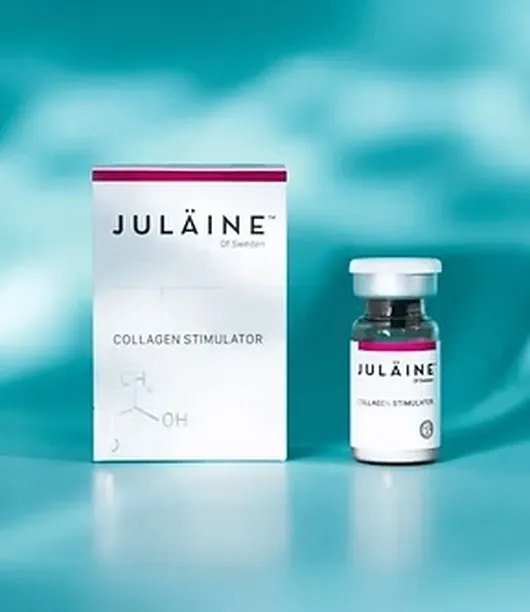
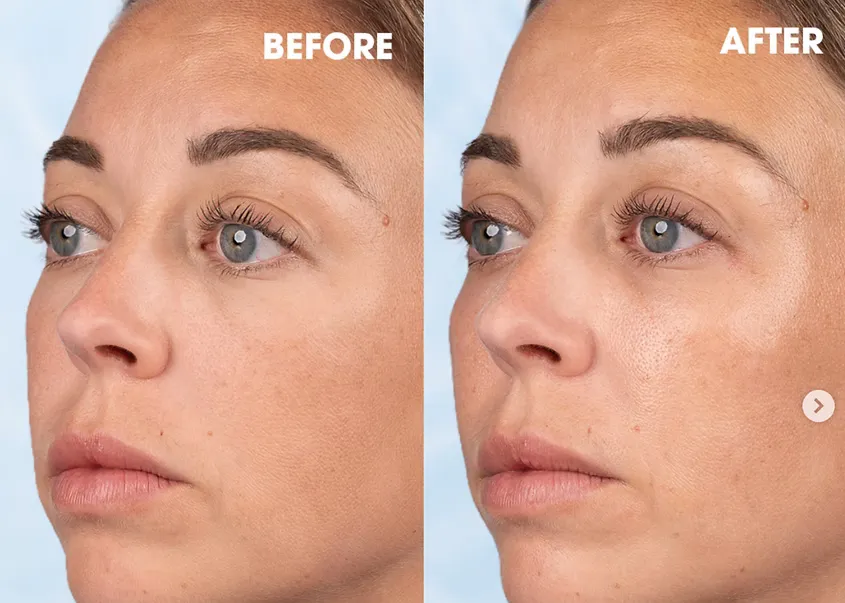
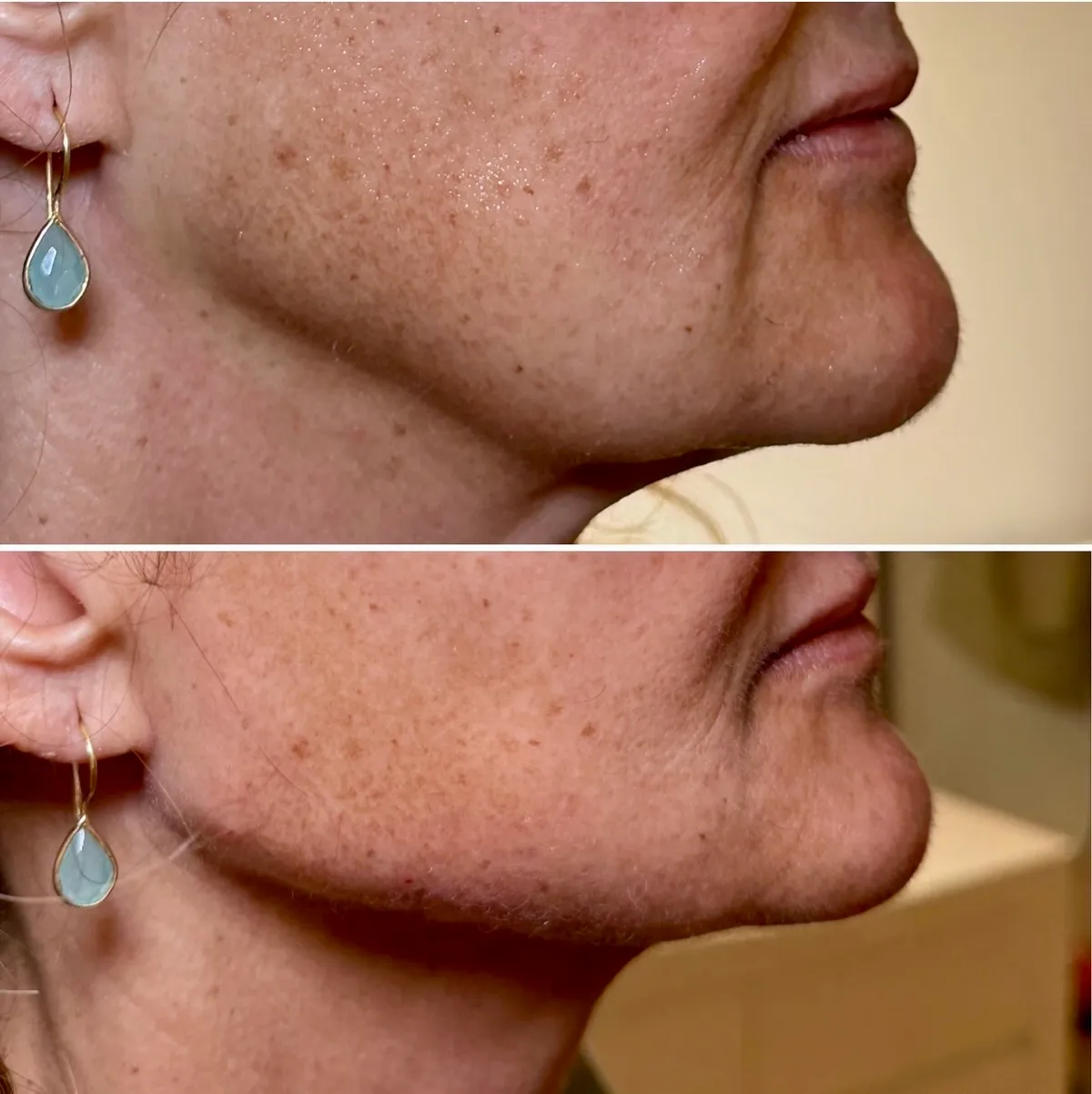
Collagen Stimulators: Products like Juläine, a perfected PDLLA treatment, gently stimulate long-lasting Type I collagen synthesis. Typically delivered in a series of three treatments one month apart, Juläine offers firming, lifting, hydration, and overall skin health improvement by stimulating natural collagen renewal.
-
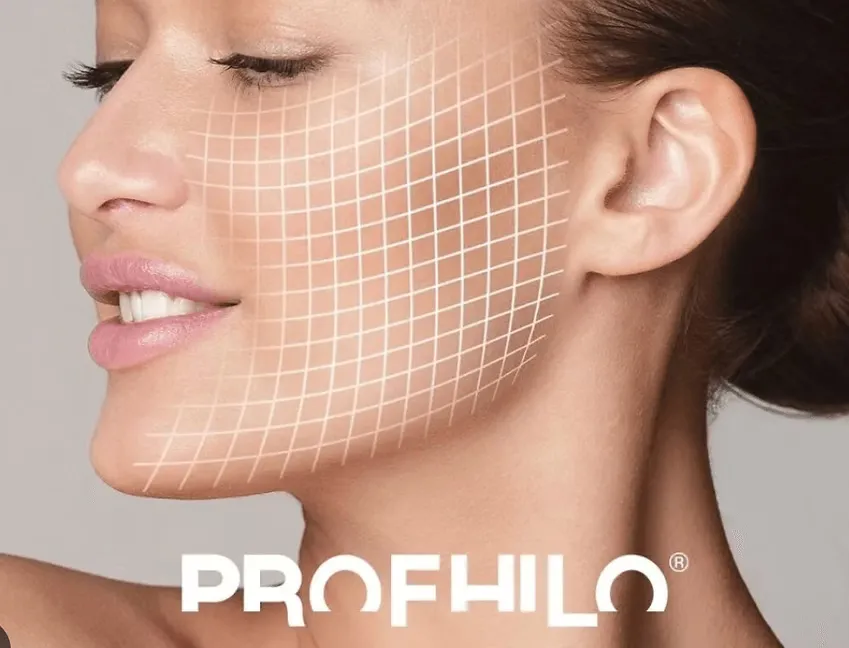
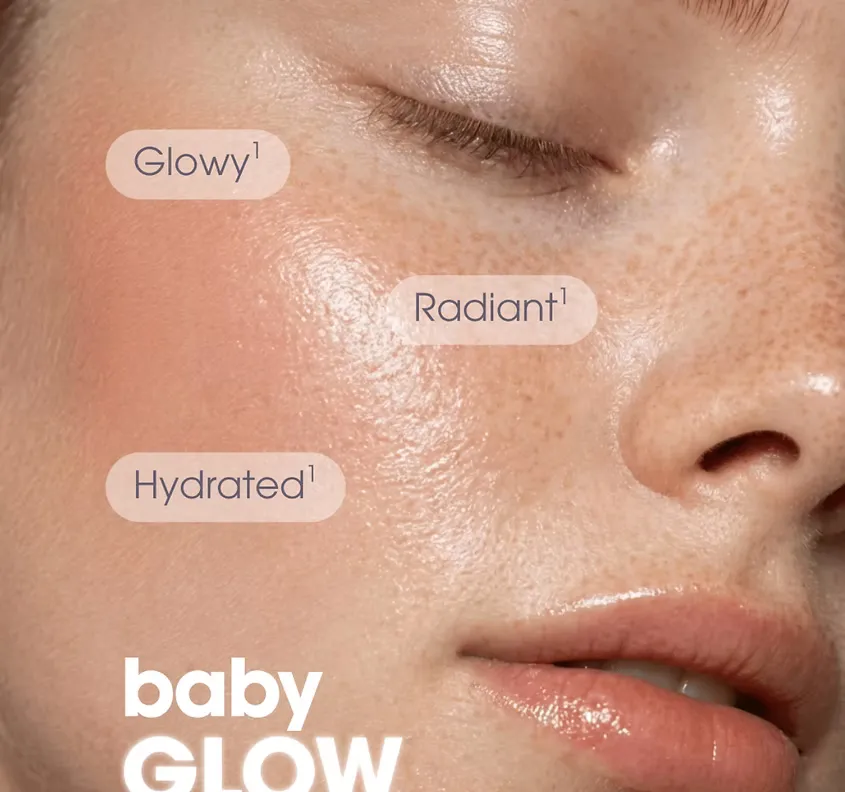
Skin Boosters: Profhilo, the world's leading skin booster, excels at deeply hydrating and tightening skin, enhancing luminosity and suppleness. Babyglow by Teoxane adds another dimension by combining hyaluronic acid with strategic injections for both hydration and subtle lift.
-
Advanced Regenerative Therapies: Polynucleotides and exosome treatments offer promising regenerative effects, supporting cellular repair and improving skin quality.
-
Energy-Based Modalities: Radiofrequency microneedling and HIFU (High-Intensity Focused Ultrasound) target skin laxity, stimulating collagen remodelling and tightening skin layers.
-
Structural Fillers: Used sparingly and anatomically, fillers can restore volume lost in fat pads or bone structure, creating balanced facial contours without altering natural expressions.
The Optimal Time to Begin: Mid-30s Preventive Care
Interestingly, oestrogen levels begin a gentle decline from the mid-30s, suggesting that early preventative collagen banking can delay or soften menopausal skin ageing. Initiating treatment during this window supports long-term skin resilience and may postpone more intensive interventions.
Frequently Asked Questions
1. Is collagen banking safe for all skin types?
Yes, treatments like Juläine and Profhilo are well-tolerated across skin types, though a consultation is essential to personalise your plan.
2. Can these treatments replace hormone therapy?
No. Skin treatments complement but do not replace hormone replacement therapy (HRT). Discuss HRT options with your GP or a menopause specialist.
3. How soon can I expect to see results?
Collagen regeneration and skin hydration improvements usually appear over several weeks to months post-treatment; individual results and timelines vary.
4. Are these procedures painful?
Most treatments involve minimal discomfort, often described as mild pricks or warmth during sessions, with topical anaesthesia available.
5. How do I know which treatments are right for me?
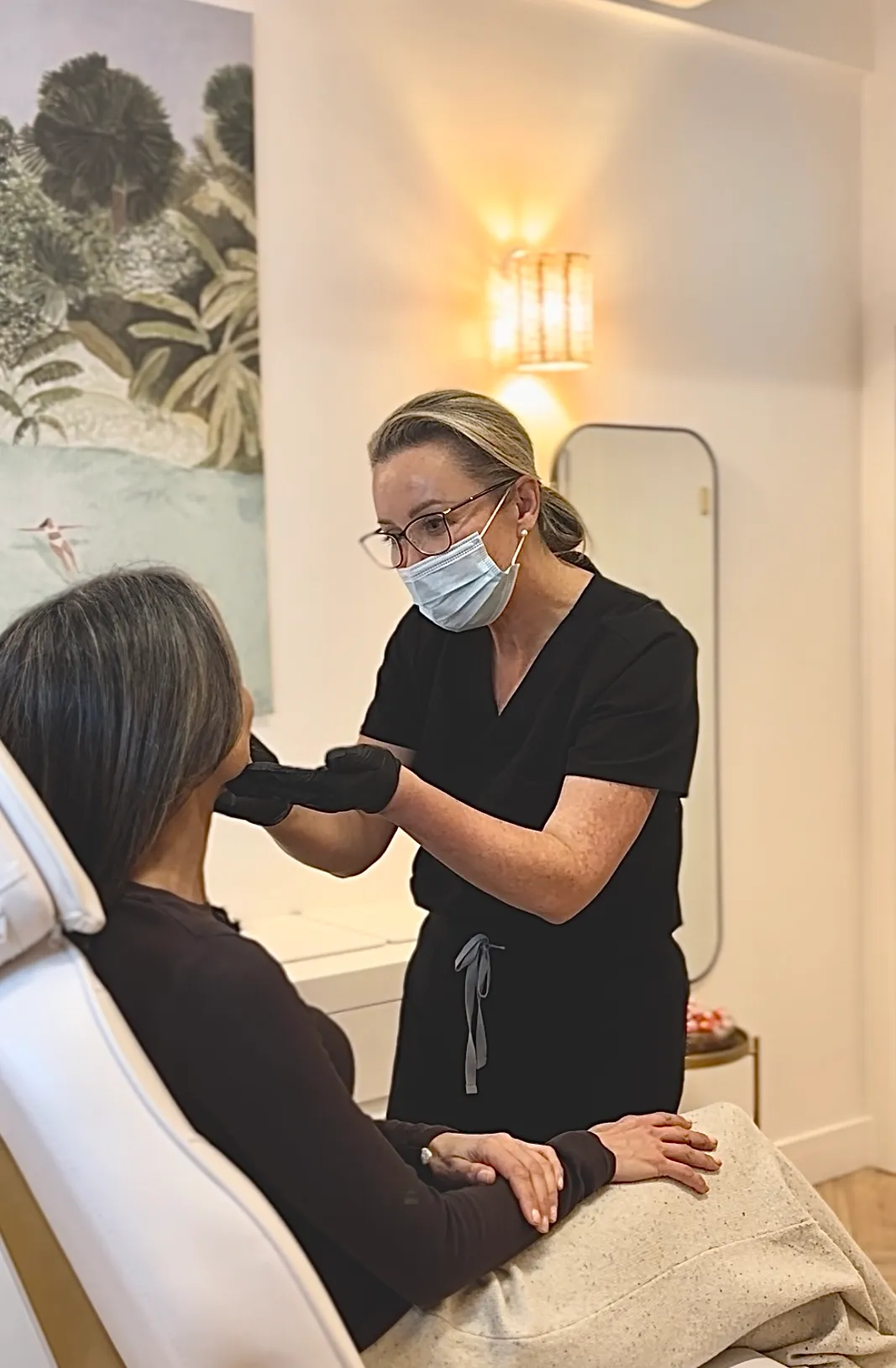
A personalised consultation and facial assessment at Montclaire Aesthetics in Barnes determines the optimal path tailored to your skin and ageing pattern.