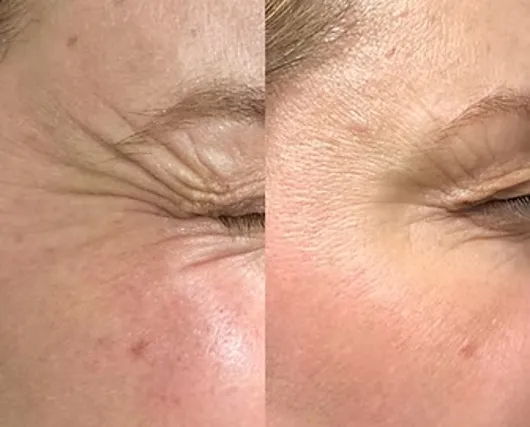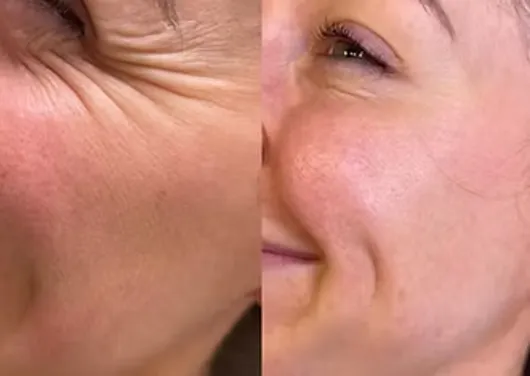


If you've noticed that the smoothness and lift from your Botox injections last only a few months, you're not alone. Many clients ask me why Botox wears off and why its effect isn't permanent. Simply put, Botox, and similar botulinum toxin muscle relaxants, work by temporarily blocking nerve signals to facial muscles, but the body's natural healing mechanisms gradually restore these connections, allowing muscle movement, and wrinkles, to return over time.
How Botulinum Toxin Temporarily Blocks Muscle Movement
Botulinum toxin acts by preventing the release of acetylcholine, the chemical messenger that nerves use to activate muscles. When a strategic facial muscle receives no signal, it relaxes, reducing the appearance of dynamic wrinkles like frown lines or crow's feet. This process is precise, targeting only specific muscles associated with ageing expression lines.
Why Is Botox Always Temporary?
The key reason Botox's effect doesn't last indefinitely is due to the body's remarkable capacity to heal and adapt. Two processes bring muscle function back:
- Nerve ending recovery: The treated nerve endings gradually regain their ability to release acetylcholine.
- Axonal sprouting: The nerve cells form new connections, called new nerve terminals or sprouts, that bypass the blocked sites, restoring muscle signalling.
These biological responses mean the muscles regain activity over approximately three to four months, leading to the fading of the initial smoothing effect.
Typical Duration and Factors Influencing Longevity
On average, Botox effects remain noticeable for about 12 to 16 weeks. Yet, this duration varies depending on individual factors including:
- Metabolism and how quickly your body breaks down the toxin
- Muscle size and strength (stronger muscles may metabolise treatment faster)
- The dose and specific facial area treated
- Your activity levels, facial expressiveness can hasten wear-off
- Whether you are new to Botox or have had previous treatments (injections sometimes last longer with repeated use due to muscle changes)
Insights from Clinical Practice
Over my 30-plus years working in aesthetic medicine, I observe that personalised factors influence treatment experience significantly. For example, patients with very dynamic facial expression patterns or higher muscle tone often notice a shorter duration before muscle movement returns. Conversely, integrating skin-quality treatments like Babyglow by Teoxane or Juläine collagen stimulators tends to enhance overall skin health, making the visible ageing signs less apparent during the intervals between muscle-relaxing injections.
Integrating Botox With Regenerative Skin Treatments
Because Botox's muscle-relaxing effect is temporary, it pairs exceptionally well with longer-lasting, regenerative treatments that focus on skin quality rather than muscle activity. Products like Babyglow by Teoxane, which hydrates and lifts the skin with hyaluronic acid, and Juläine, which stimulates natural collagen production over several months, work on deeper, structural improvements. This layered approach creates a fuller, more natural anti-ageing result, maintaining freshness without looking "done".
Frequently Asked Questions
1. Can Botox's duration be extended?
While you cannot permanently extend Botox's effect, consistent treatments over time can sometimes result in longer duration as muscles may weaken with repeated relaxation.
2. Is the fading of Botox a sign that the treatment didn't work?
Not at all. The return of muscle movement after three to four months is an expected part of how botulinum toxin functions and reflects your body's natural recovery.
3. Are there risks of nerve damage from repeated Botox?
When administered by an experienced practitioner, Botox is safe and does not cause permanent nerve damage.
4. How do you choose the dose and areas to treat?
Each treatment is carefully tailored following a medical assessment to suit your unique facial anatomy, muscle activity, and skin condition.
5. Can Botox be combined with other treatments safely?
Yes, combining Botox with skin-quality treatments like Babyglow or Juläine provides complementary benefits and is a common strategy in personalised care plans.